

Stainless Steel Deep Drawing Services: A Practical Guide
Stainless Steel Deep Drawing Services turn flat sheet metal into seamless, hollow parts. The process is well-suited to cups, housings, tanks, and enclosures. It combines strength, durability, and corrosion resistance.
This guide explains how the process works. It covers materials, design rules, and quality checks.
What Is Stainless Steel Deep Drawing?
Deep drawing is a sheet metal forming process. A punch presses a flat blank into a die cavity. The metal flows and stretches without being cut. Parts are called deep drawn when the depth is significant. Typically, the depth exceeds half the part diameter.
Shallow stamping only bends or cuts the sheet. Deep drawing pulls metal into tall, three-dimensional shapes. The result is a seamless body with no joints. Seamless construction adds strength and leak resistance.
Multiple draws create deeper parts step by step. Each step uses a smaller die diameter. Annealing may be needed between heavy draws. This keeps the metal workable and crack-free. Deep drawn parts can replace welded assemblies. One piece means fewer failure points. Assembly time and cost drop significantly.
Why Stainless Steel Works Well
Why choose stainless steel for deep drawing? Austenitic grades stretch well without cracking. They work-harden during forming, which adds strength. The finished part resists rust in harsh conditions. Food, marine, and medical environments demand this.
Best Stainless Steel Grades for Deep Drawing
Stainless steel deep drawing usually starts with choosing the right grade. Each grade offers a different balance of formability, strength, and cost.
| Grade | Key Property | Best For |
|---|---|---|
| 304 | Excellent formability, strong corrosion resistance | Cookware, food equipment, general parts |
| 316 | Molybdenum adds saltwater resistance | Marine, chemical, medical parts |
| 430 | Good formability at lower cost | Kitchenware, appliances, trim |
| 301 | Work-hardens to high strength | Springs, brackets, structural parts |
✅304 is the most common choice for deep-drawn parts. It offers excellent formability and corrosion resistance.
✅316 adds molybdenum for better saltwater resistance. It suits marine, chemical, and medical uses.
✅430 offers good formability at a lower cost.
✅301 gains strength as it is formed.
Match the grade to the working environment. Test samples confirm formability before production. Our engineers help select the right material.
Key Design Rules for Deep Drawn Stainless Steel Parts
Good design prevents most deep drawing defects. Follow these rules to keep parts consistent:
- Keep the draw ratio within safe limits.
- Use generous radii on punch and die corners.
- Plan for wall thinning in tall parts.
- Allow for springback in final dimensions.
- Ensure proper lubrication at every stage.
High draw ratios may require multiple forming steps. Sharp corners cause cracks and uneven thinning. Wall thickness varies slightly in deep parts. Account for this in your design. Very tight tolerances raise tooling costs. Set tolerances that match the forming process. Involve the manufacturer early in design.
Quality Control in Stainless Steel Deep Drawing
Common defects include wrinkling, cracking, and thinning. Wrinkles form when too much material is pushed inward. Cracks appear when the blank is stretched too far.
Strict process control prevents these issues. Dimensional checks verify every critical feature. Surface inspection catches scratches and orange peel. Reliable stainless steel deep drawing services depend on these checks.
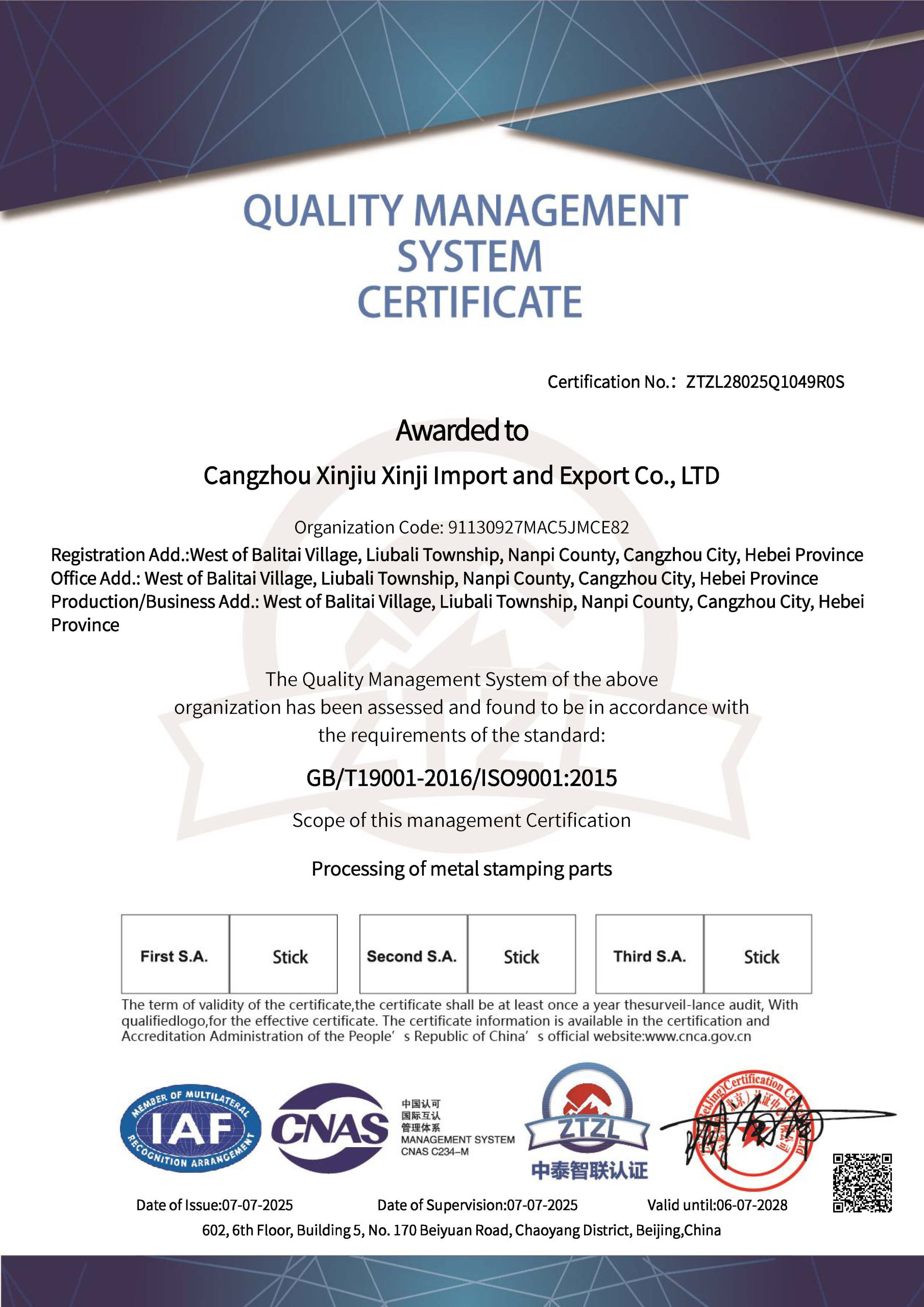
Our ISO 9001:2015 system covers every stage of production. First-article inspection confirms the setup before full runs. Regular tool maintenance prevents surface defects.
Applications of Deep Drawn Stainless Steel Parts
Deep drawn stainless parts appear across many industries.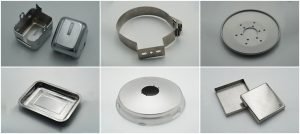
- Cookware uses deep drawn stainless parts for pots, sinks, and mixing bowls.
- Medical devices need smooth, seamless housings.
- Automotive parts include tanks and exhaust covers.
- Food processing equipment demands hygienic surfaces.
- Pressure vessels rely on strong, leak-free bodies.
- Electronics use deep-drawn shields and cases.
- Agricultural and construction tools use them too.
- Firefighting equipment benefits from durable parts.
The process scales from prototypes to large runs.
How to Choose a Deep Drawing Supplier
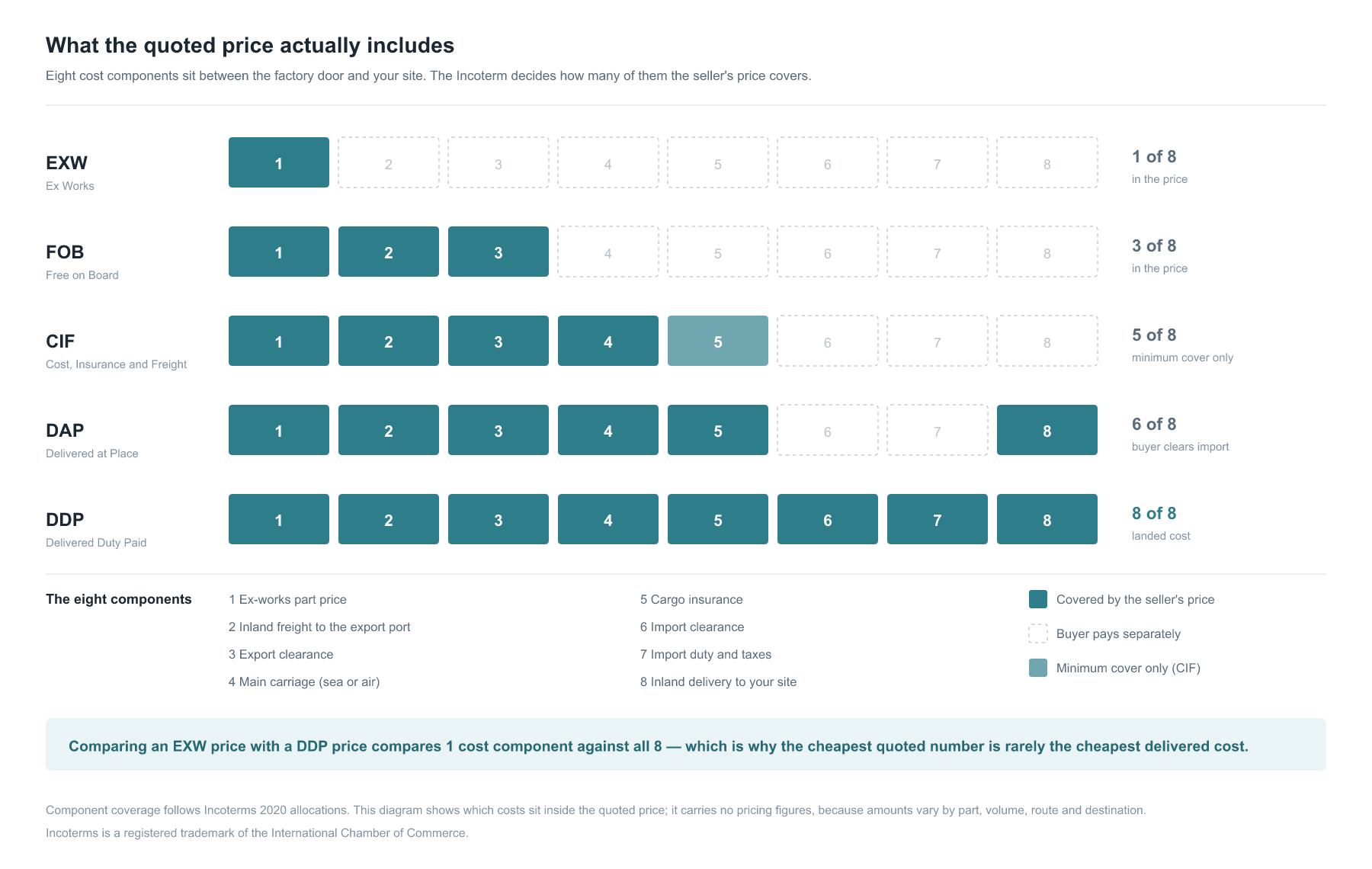
A good supplier reviews your design before tooling. Ask about prototyping and sample support. Check tooling capacity and material stock. Verify quality systems and certifications. Compare quotes on cost, lead time, and service.
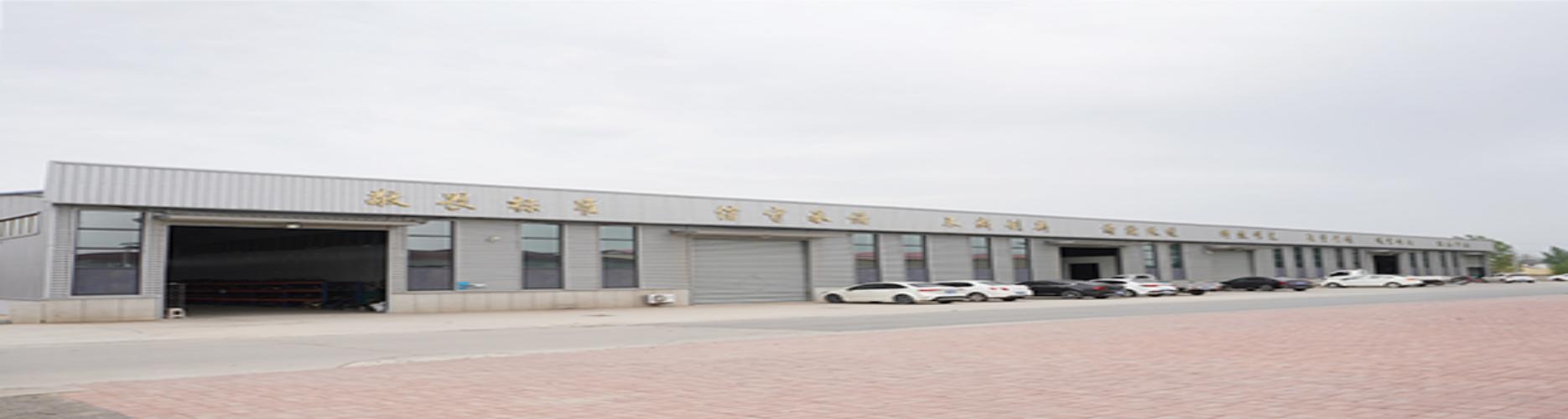
Our Nanpi base has built over 70,000 full-process projects since 1999. Our 80 to 400 ton presses handle many part sizes. 🔧Click here to view our complete list of equipment.→Samples confirm quality before mass production. Good communication matters for custom projects.
How Much Does Deep Drawing Cost?
Tooling cost dominates small production runs. Material grade and finishing affect unit price. Higher volumes lower the per-part cost. Request a quote with your drawings for exact pricing.
FAQ
Is 304 stainless steel good for deep drawing? Yes. Most projects start with grade 304.
What is the maximum draw depth? Depth depends on material, diameter, and tooling design.
Do you offer prototyping services? Yes. Samples are available for most projects.
How do you prevent cracks and wrinkles? Careful tooling design and process control help prevent cracks and wrinkles.
Start Your Next Project Now
For stainless steel deep drawing services, contact our team today. We support prototyping, tooling, and full production runs. Send us your drawings for a fast, free quote.
Stainless Steel CNC Machining Services: What Buyers Should Know
More Like This
-
-

-