

Stainless Steel Welding Services: A Practical Guide to Weld Quality
Stainless steel welding services can make or break a custom metal project. A strong weld keeps parts safe, sealed, and durable. A weak weld fails early and drives up costs. This guide explains what quality stainless steel welding looks like.
It also covers common defects and how to prevent them. You will learn what to ask a supplier before you order.
Why Stainless Steel Is Hard to Weld
Welding stainless steel is not like welding carbon steel. The metal reacts differently to heat. Three physical traits create most challenges.
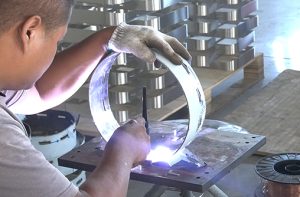
- Low thermal conductivity. Heat stays concentrated in one spot. This raises the risk of warping and burn-through.
- High thermal expansion. The metal expands strongly when heated. It contracts unevenly during cooling, which distorts parts.
- Sensitive microstructure. High heat can change the metal’s structure. This reduces corrosion resistance and shortens part life.
Weld quality decides part life. Poor welds fail under pressure, vibration, or corrosion. In medical and food equipment, leaks are never acceptable. In marine parts, corrosion usually starts at the weld.
These traits explain why weld quality varies between suppliers. Experience and controlled parameters matter more than equipment alone.
Shielding gas protects the hot weld from air. Argon is the most common choice for stainless steel. Oxygen and nitrogen in air attack the weld pool. Good gas coverage keeps the weld clean and corrosion-resistant.
5 Common Stainless Steel Welding Defects
Even skilled welders face defects. Knowing the cause helps you prevent them. Here are five common problems and how to fix them.
1. Distortion and Warping
Cause: uneven heating and cooling. Prevention: keep heat input low and use short weld passes. Clamp parts firmly and weld in a balanced sequence. Back-step welding works well on long seams.
2. Sensitization and Intergranular Corrosion
Cause: chromium carbides form at grain boundaries. This happens when the metal stays between 450°C and 850°C too long.
The affected zone loses chromium and becomes prone to rust. Prevention: choose low-carbon grades like 304L or 316L. Keep interpass temperature below 150°C. Cool the weld quickly after finishing.
3. Heat Tint and Oxidation
Cause: oxygen reaches the hot weld area. The surface turns blue, brown, or gray. Prevention: use correct gas shielding and steady gas flow. Back-purge the root with argon for single-side welds.
4. Porosity
Cause: contamination, moisture, or poor gas coverage. Gas bubbles get trapped inside the weld metal. Prevention: clean the base metal and filler wire before welding. Remove all oil, grease, and rust. Keep the shielding gas flow stable.
5. Cracking
Cause: high stress plus low-melting-point films at grain boundaries. Austenitic grades like 304 and 316 are most at risk. Prevention: fill weld craters fully before stopping. Match the filler metal to the base material. Control joint fit-up to reduce stress.
A reliable partner prevents these defects through process control. Ask how a supplier controls heat, gas, and cleaning.
Extra Tips for Better Welds
- Thin sheets need low heat and faster travel speed.
- Thick plates need multiple passes and controlled cooling.
- Keep the work area dry and free from drafts.
- Use the right filler metal for the grade.
Questions to Ask Before You Order
Ask these questions before you choose a welding partner.
- Do you use written welding procedures? The answer should be yes.
- Which stainless steel grades do you weld regularly? 304 and 316 are common.
- How do you control heat input and interpass temperature?
- Do you back-purge with argon on sanitary welds?
- What inspection and testing do you provide?
- Can you share references or case examples?
- Do you offer prototype welding before mass production?
Strong answers mean lower risk for your project.
How We Control Quality in Every Weld
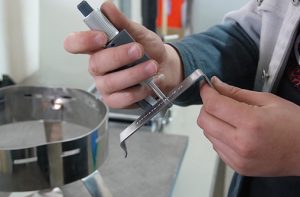
Quality control runs through every step of our welding process. We do not rely on final inspection alone. Here is how our workshop builds quality into each order.
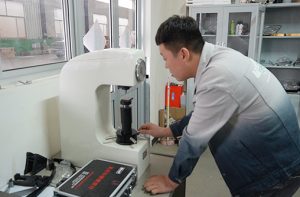
Step 1. Material Verification
We check the material certificate for every stainless steel batch. Grade, thickness, and heat number must match the order. Wrong material fails later, not sooner.
Step 2. Surface Preparation
Parts are cleaned before welding starts. We remove oil, scale, and moisture from the joint area. We cut and fit edges to the drawing tolerance. Good preparation prevents most defects.
Step 3. Controlled Welding
Our welders are qualified to weld stainless steel. They follow written welding procedures for each job. We control heat input, interpass temperature, and gas flow. We use CNC welding equipment for repeatable results. Argon shielding and back-purging protect the weld from oxidation. Parameters are recorded for every batch.
Step 4. Post-Weld Treatment
We clean and pickle welds after welding. Pickling removes heat tint and restores corrosion resistance. Passivation rebuilds the protective oxide layer.
Step 5. Inspection and Records
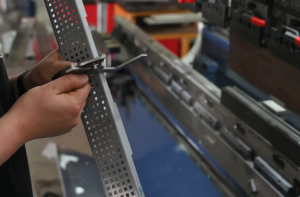
Every weld receives a visual inspection. Dimensional checks confirm the part matches the drawing. Critical welds get dye penetrant or other NDT testing. We keep inspection records for full traceability.
This process lets us deliver stainless steel welding services for demanding parts.
A Partner You Can Trust
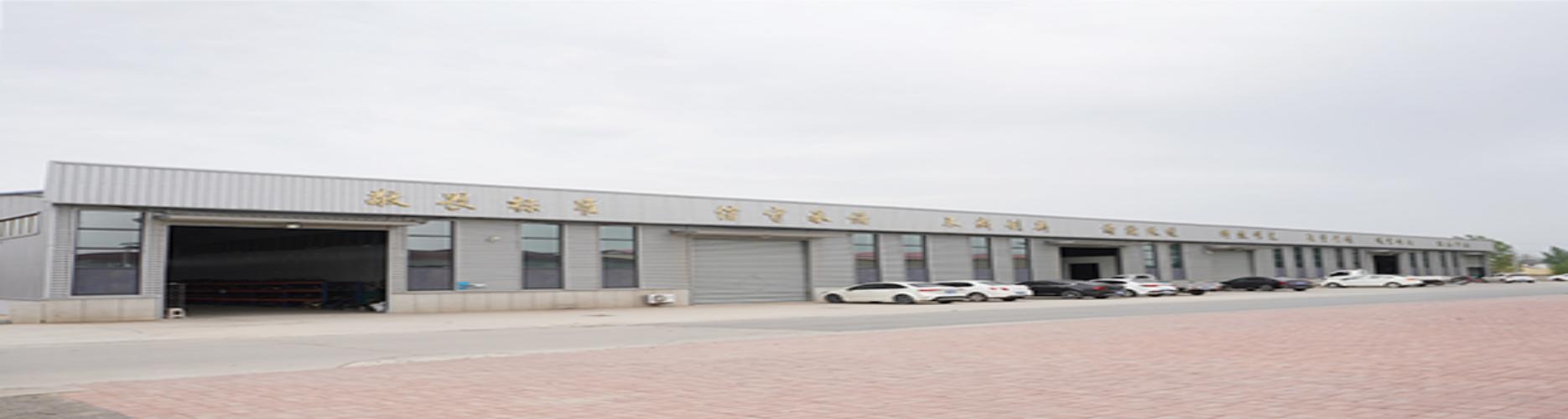
Our factory has served custom metal projects since 1999. We have delivered over 70,000 full-process projects. Our ISO 9001:2015 quality system covers every order.
A team of 120+ people, including 19 engineers, supports each project. Engineers review your drawings before production. Prototype support helps you confirm fit and function.
We combine welding with stamping, laser cutting, bending, and more. One supplier handles the whole job, from prototype to production. This reduces lead time and keeps quality consistent. Customers in the US, Europe, and Australia trust us with demanding parts.
Start Your Next Project Now
Need stainless steel welding services for your next project? Send your drawings or sample parts today.
Include these details in your inquiry:
- Material grade and thickness.
- Order quantity and target delivery date.
- Required tolerances and surface finish.
- Special inspection or testing requirements.
More details mean faster and more reliable quotes. Our engineers review every inquiry. You receive a cost estimate and lead-time plan within 8 hours.
Stainless Steel Deep Drawing Services: A Practical Guide
More Like This
-
-
-