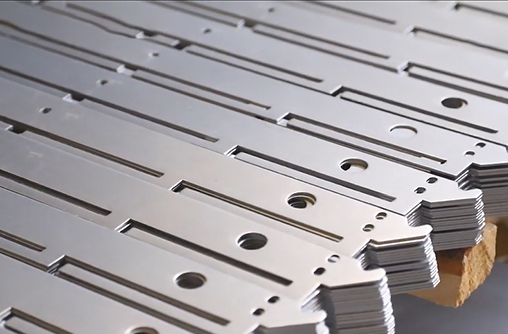


Sheet Metal Fabrication to China: Buyer’s Guide
Outsourcing custom sheet metal fabrication to China has become a core strategy for North American equipment makers and OEMs. By using overseas manufacturing, engineering teams gain reliable production capacity and lower part costs. However, successful international buying requires managing US customs tariffs, Section 301 duties, shipping rules, and strict quality control. Therefore, purchasing managers need a clear, practical roadmap. This complete guide provides supply chain leaders with step-by-step methods for managing Chinese manufacturing partners from quote to dock delivery.
1. Tariffs, HTS Codes, and US Customs Rules
Understanding tariff duties is essential before placing orders. In particular, North American buyers must classify fabricated parts correctly under the Harmonized Tariff Schedule. Proper classification prevents shipping delays and costly border penalties.
- Finding the Right HTS Code: Raw laser-cut plates, stamped brackets, and welded frames fall under different Chapter 73 or Chapter 76 tariff lines. Review our practical tariff code determination guide for clear classification rules.
- Duty Rate Variables: Final duty rates depend on metal grade, fabrication level, and trade remedy duties. Therefore, buyers can check key cost factors in our customs duty factors breakdown.
- Checking Official Channels: Always confirm tariff rates directly on the official USITC Harmonized Tariff Schedule database before finalizing total cost models.
2. Incoterms: FOB, DAP, or DDP for US Buyers?
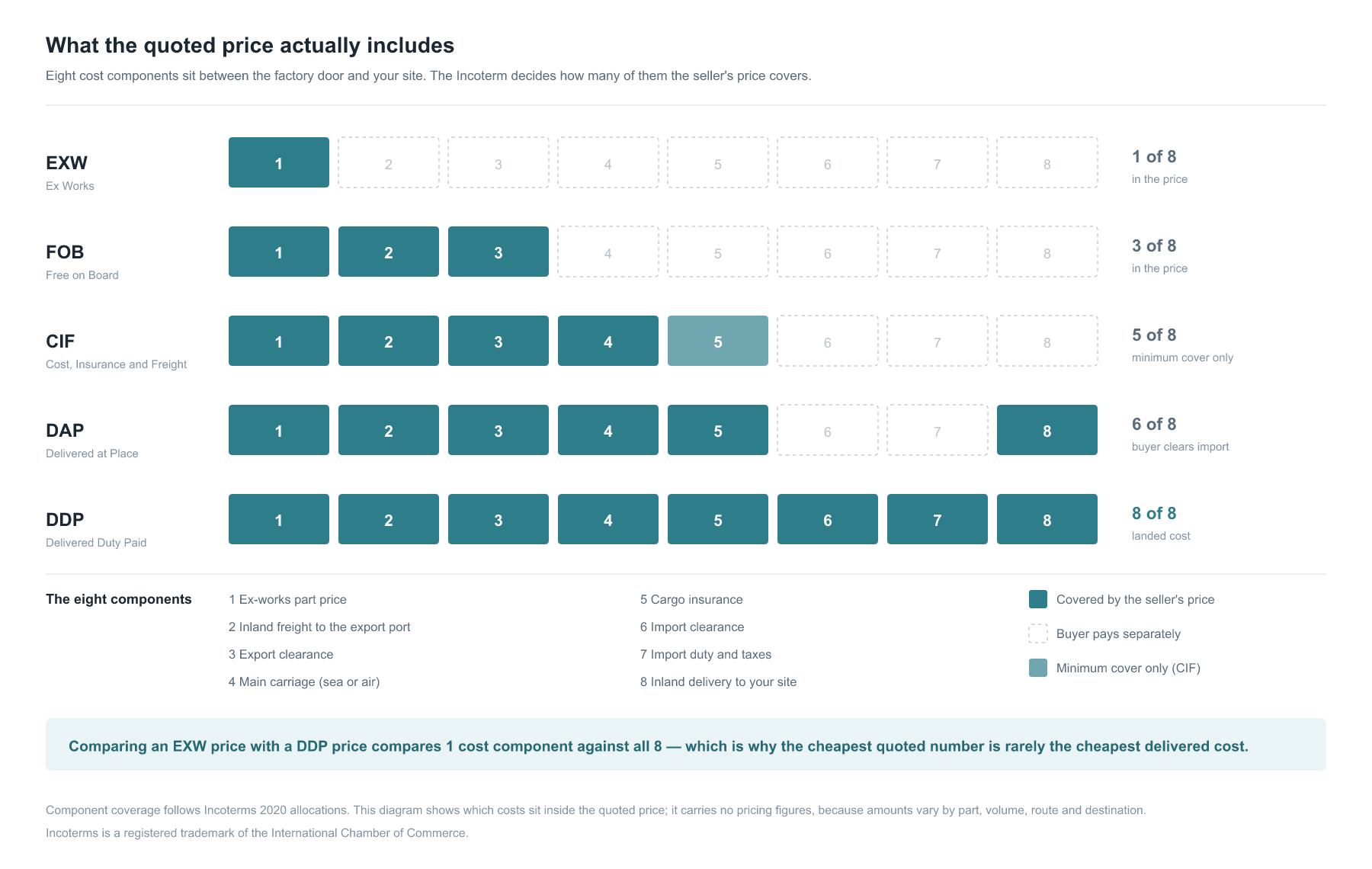
Choosing the right trade term defines who handles ocean freight, customs entry, and port duties. For companies ordering custom sheet metal fabrication to China, shipping choices shape day-to-day work:
- FOB (Free on Board): The buyer manages ocean freight and US entry through their forwarder. Consequently, this gives full control over ocean carriers and domestic trucking schedules.
- DAP (Delivered at Place): The seller arranges transport to your facility. However, the US buyer acts as Importer of Record and pays duties directly to customs officials.
- DDP (Delivered Duty Paid): In contrast, the seller manages all freight, customs entry, and duty payments, delivering parts directly to your door.
Furthermore, to compare the legal risks and payment flows of each trade term, read our commercial delivery terms guide.
3. Engineering Drawings, Prototypes, and Tooling Checks
Clear technical drawings prevent confusion across time zones. Therefore, when starting custom projects, follow these validation steps:
- Send 3D CAD and 2D PDFs: Provide STEP files along with clear 2D drawings. Clearly note critical tolerances according to ISO 2768-m, thread pitch, and surface finishes.
- Process Feasibility: Confirm whether custom enclosures need standard bending or deep forming tools. For deep seamless cans or shells, review our forming process capability guide.
- Rapid Prototyping: In addition, order laser-cut and CNC-bent sample parts. This step checks fit, weld quality, and powder coating before hard tooling begins.
- Tool Ownership: Finally, ensure contracts state that stamping dies remain 100% customer-owned assets with guaranteed production life. Furthermore, requiring dedicated serial number nameplates on all stamping tools prevents tool confusion across shared production facilities.
- GD&T Tolerance Verification: In addition, specify critical datum features clearly on engineering drawings. Standardizing geometric dimensioning and tolerancing notes ensures that coordinate measuring machine inspection routines match your internal quality acceptance criteria exactly.
4. Factory Verification and Quality Control Steps
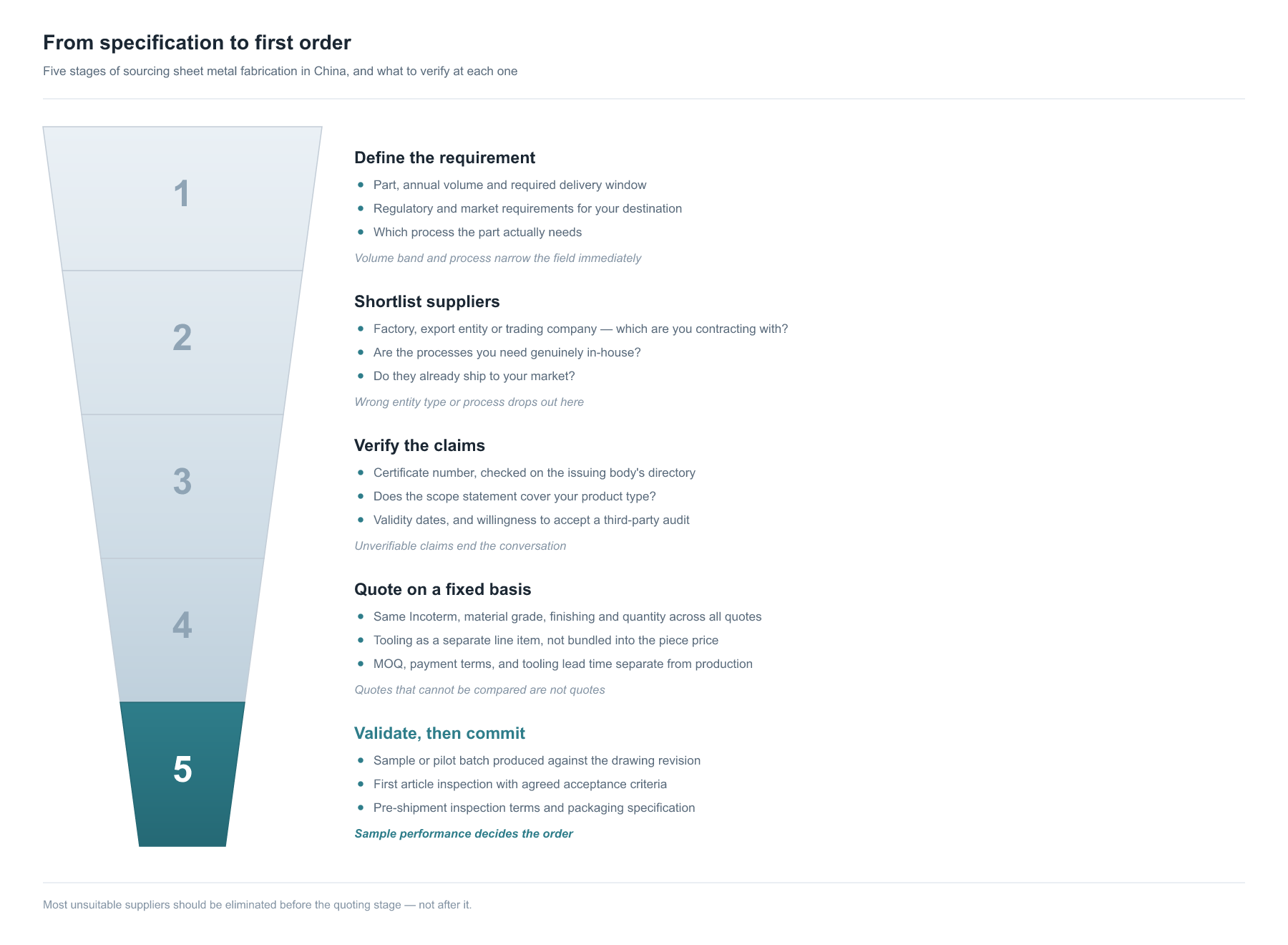
Before placing volume orders for sheet metal fabrication to China, buyers must verify that the supplier runs a real factory rather than a trading office. Follow these key checks:
- Factory Equipment Audit: Request video proof of fiber lasers, punch presses, press brakes, and weld stations. Check our full sheet metal fabrication to china audit checklist.
- ISO 9001:2015 System: Check that the plant holds valid quality registration for custom metal fabrication.
- Dimensional Reports: Require first-article CMM measurement data before full production runs begin.
- Export Packaging: Ensure heavy parts use double-wall boxes, rust inhibitors, and solid fumigated pallets.
5. Managing Production Lead Times and Quality Control
Establishing clear production milestones ensures on-time delivery across North American supply chains. In general, weekly production updates with milestone photos give purchasing managers complete visibility. Furthermore, tracking batch inspections early helps fix dimensional drifts quickly. Therefore, potential supply bottlenecks are resolved before container loading.
In addition, maintaining clear buffer stock at domestic warehouses protects production schedules against unexpected ocean shipping congestion. Furthermore, establishing dual-source supplier relationships for high-turnover brackets ensures operational continuity during peak seasonal demand periods across North American supply lines.
6. Frequently Asked Questions
Here are concise answers to common questions US buyers ask when arranging custom sheet metal fabrication to China.
How long does custom metal tooling and sampling take?
For laser cutting and CNC press brake samples, turnaround typically takes 5 to 7 workdays. For progressive stamping dies, tool build and sample testing take about 20 to 30 days depending on complexity.
What quality records should come with export shipments?
Every shipment should include a Certificate of Conformance, full dimensional inspection data for critical fits, raw metal mill test certificates, and coating thickness test reports.
How do US buyers handle payment terms with Chinese fabricators?
Standard terms for custom tooling involve a 50% deposit with balance due upon sample approval. For mass production runs, a 30% deposit with the 70% balance against the bill of lading copy is standard practice.
What ocean transit time should buyers plan for US ports?
Ocean freight from northern ports like Tianjin to US West Coast ports takes about 18 to 22 days. In contrast, transit to US East Coast ports via rail takes roughly 30 to 38 days.
More Like This
-
-
-