

Stainless Steel Bending Services: A Practical Guide for Custom Metal Parts
Stainless steel bending services shape flat sheets into strong, angled components. The process is fast, repeatable, and cost-effective. It supports products across the automotive, medical, and electronics industries.
This guide covers grades, methods, defects, and design tips. You will also learn how to choose a reliable bending partner.
Understanding Stainless Steel for Bending
Why Stainless Steel Is a Top Choice for Bending
Stainless steel resists rust, so parts last longer in harsh environments. It also offers high strength without extra weight. Bent stainless parts appear in enclosures, brackets, frames, and covers.
- Corrosion resistance keeps products clean and reliable.
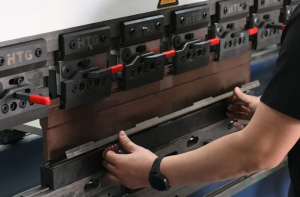
- High strength lets you use thinner material and lighter designs.
- A smooth surface suits visible or hygienic applications.
- Stainless keeps its look for decades with minimal care.
- That long life lowers the total cost of ownership.
- Stainless also resists heat better than most metals.
- It is fully recyclable, which supports green supply chains.
Stainless Steel Grades Commonly Used for Bending
Not all stainless grades bend the same way. Grade choice affects cracking risk, springback, and cost. The table below compares the most common options.
| Grade | Key Property | Typical Use |
|---|---|---|
| 304 | Best all-round corrosion resistance and formability | Food equipment, enclosures, panels |
| 316 | Superior resistance to salt and chemicals | Marine parts, medical devices |
| 430 | Good formability at lower cost | Trim, brackets, kitchen appliances |
| 201 | High strength with lower material cost | Frames, structural supports |
For most bending projects, 304 is the safest starting point. Choose 316 for parts exposed to seawater or aggressive chemicals. Ask your supplier for a grade recommendation based on your application.
Bendability differs within each grade family. Austenitic grades like 304 and 316 form well with moderate force. Ferritic grades such as 430 spring back less but crack more easily.
Stainless Steel vs Other Bending Metals
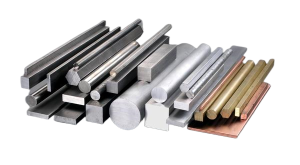
How does stainless compare with aluminum and carbon steel?
- Stainless steel: best corrosion resistance, moderate cost, higher springback.
- Aluminum: light and easy to form, but it springs back more.
- Carbon steel: strong and cheap, but it rusts without coating.
Many projects mix these metals. The final choice depends on duty, budget, and environment.
How the Bending Process Works
Bending Methods Explained
Bending machines use different methods to form stainless steel sheet. Air bending is the most common method today. The punch presses the sheet into a V-shaped die without full contact. Air bending offers flexibility with fewer tooling changes.
Bottoming forces the sheet fully into the die for tighter angles. It suits parts that need consistent, repeatable dimensions. Rotary draw bending is used for tubes and profiles. It prevents wrinkles on tight tube radii.
Each method has a place, so the right choice depends on the part. CNC controls let the press automatically correct angle errors.
| Method | Strengths | Best For |
|---|---|---|
| Air bending | Fast setup, flexible tooling | Prototypes, varied batches |
| Bottoming | Tighter angles, stable results | Repeated production runs |
| Rotary draw bending | Clean bends on tubes and profiles | Rails, handles, pipes |
The right method balances speed, tooling cost, and part shape.
Bend Allowance and Flat Pattern Basics
Every bend stretches the metal slightly. Bend allowance predicts that stretch before cutting. It depends on thickness, radius, and angle. K-factor estimates where the neutral axis sits. Correct flat patterns save material and avoid rework.
Ask your supplier to calculate allowances from real tooling data. Small allowance errors multiply across many bends.
How to Get High-Quality Bending Results
Key Factors and Common Defects
Several factors determine how clean a bend will be. Each factor also points to a common defect and how to fix it.
- Sheet thickness: thicker sheets need proportionally larger radii.
- Grain direction: bending across the grain reduces the risk of cracking.
- Tooling condition: worn dies leave marks and inconsistent angles.
- Bend length: longer bends need more press capacity and wider dies.
- Springback: stainless springs back more, so we overbend slightly.
- Cracking: increase the radius or switch to a softer grade.
- Surface scratches: use clean tools and protective film.
- Warping: balance the bend line with the part geometry.
Most defects appear during prototype testing. That is why we run trials before mass production.
Design Tips Before You Order
Good design makes bending easier, faster, and cheaper.
- Keep the inside bend radius at least equal to the material thickness.
- Place holes at least two to three times the thickness from the bend line.
- Use one standard radius across the part to avoid tooling changes.
- Give realistic tolerances; tight values raise cost and lead time.
- Avoid bends too close to part edges; material can tear.
- Specify standard sheet thicknesses to keep costs low.
Our Stainless Steel Bending Capability
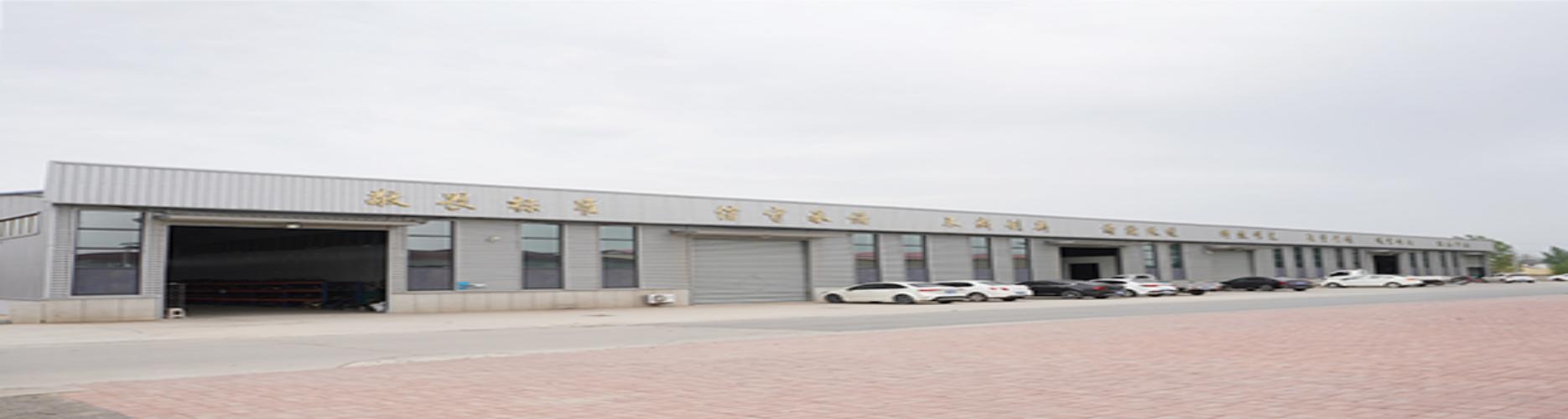
Our stainless steel bending services cover parts from small brackets to large panels. Xinjiuxinji Hardware is a custom metal fabrication factory in Hebei, China. We have produced over 70,000 different types of custom metal parts.
Our workshop runs CNC press brakes and 40+ stamping presses from 80T to 400T. Supporting equipment includes laser cutting, welding, and surface treatment. 🔧Click here to view the complete list of equipment.→
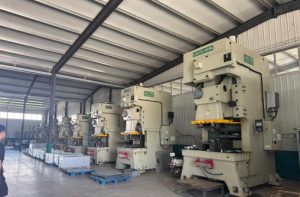
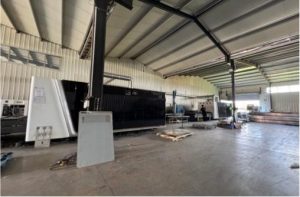
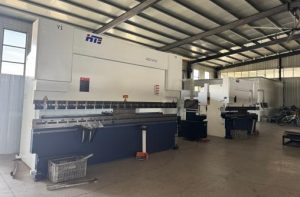
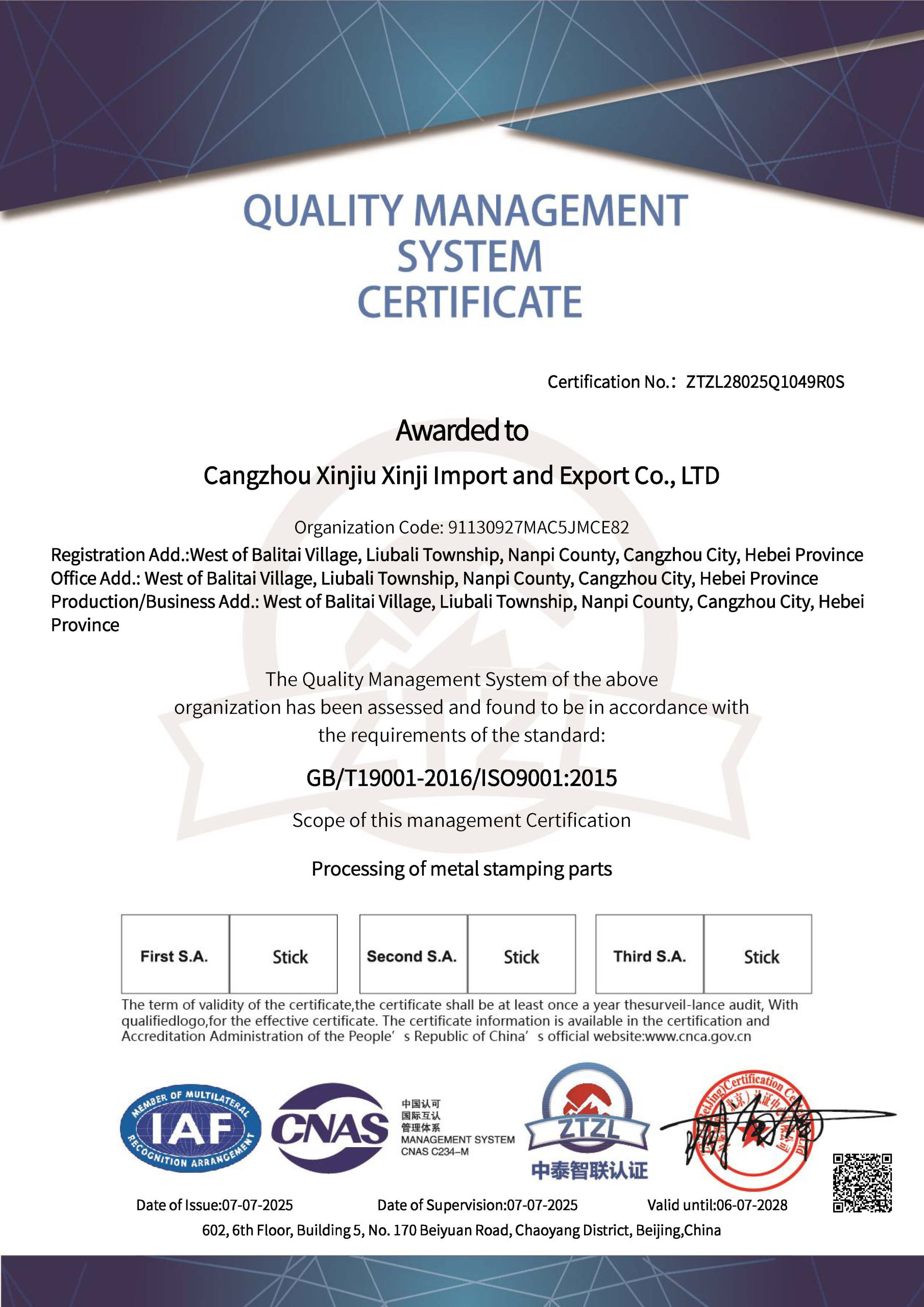
Nineteen engineers review every drawing before production starts.Our ISO 9001:2015 system keeps quality consistent across every batch. We support small pilot runs and large-volume orders alike. We ship parts to clients in the US, Europe, Australia, and beyond.
How We Deliver Consistent Bending Quality
Every order follows a clear six-step flow.
- Design review: our engineers check radii, tolerances, and material grade.
- Blanking: laser cutting or shearing produces clean flat blanks.
- Tooling setup: we select the right punch, die, and press settings.
- Bending: CNC press brakes form each part with in-process checks.
- Quality check: We measure dimensions and surface finish on sample parts.
- Finishing and packing: deburring, surface treatment, and export packing.
We keep measurement records for every production batch.
Frequently Asked Questions
Here are the questions buyers ask most often about stainless bending.
How much does stainless steel bending cost? Cost depends on grade, thickness, quantity, and tolerances. A clear drawing lets us quote quickly and accurately.
How long does a stainless steel bending order take? Prototypes often ship within days. Production lead time depends on quantity and finishing.
Start Your Next Project Now
Need stainless steel bending services for your next project? Send us your drawings, and we will reply within 8 hours. You get free design feedback, a clear quote, and honest lead times. Email us or chat on WhatsApp to begin.
Stainless Steel Welding Services: A Practical Guide to Weld Quality
More Like This
-

-
-