

Stainless Steel Stamping Services: Process, Grades & Design Tips
Stainless steel stamping services turn flat sheet metal into strong, durable parts quickly. From kitchen sinks to car brackets, stamped steel is everywhere. This guide explains how the process works. It also covers grades, tooling, and design tips. You will learn what makes a part easy to stamp. And what can raise your costs without notice.
What Is Stainless Steel Stamping?
Stamping is a forming process that shapes metal sheets. A press forces a die against the material. The die cuts, bends, or draws the metal into shape. One stroke can produce a finished part. Production runs often reach thousands of pieces. That is why stamping suits mass production well. It also keeps unit costs very low at volume.
Three elements decide the result: material, die, and press. Change one, and the part changes too. Skilled suppliers control all three. That control separates good parts from scrap.
Why Stainless Steel Performs Well in Stamping
Stainless steel resists rust and corrosion. It keeps its strength across a wide temperature range. The material is easy to clean and sanitize. That makes it popular in food and medical fields. Stamping also preserves the surface quality. No cutting heat means no discolored edges.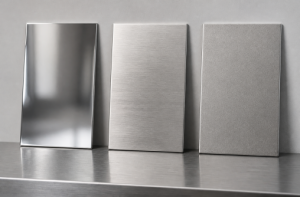
Key benefits at a glance:
- Excellent corrosion resistance
- High strength with thin walls
- Hygienic, easy-to-clean surfaces
- Fully recyclable material
- Clean edges without heat marks
One point needs care. Stainless steel hardens as it forms. Good tooling and lubrication handle this well.
Common Stainless Steel Grades for Stamping
The grade you choose affects cost, strength, and corrosion resistance. These five grades cover most stamping projects.
| Grade | Family | Best For |
|---|---|---|
| 304 | Austenitic | General parts, food equipment, hardware |
| 316 | Austenitic | Marine, chemical, and medical parts |
| 301 | Austenitic | Springs and parts needing high strength |
| 430 | Ferritic | Decorative trim, low-cost applications |
| 410 | Martensitic | Parts needing hardness after heat treat |
Austenitic grades like 304 and 316 are easiest to form. Ferritic 430 offers lower cost and good flatness. Your supplier should confirm the grade you need. A wrong grade raises cost or shortens part life.
Understanding Stainless Steel Stamping
The Four Core Stamping Operations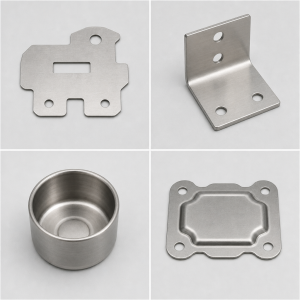
Every stamped part uses one or more of these operations.
- Blanking cuts the part outline from the sheet.
- Bending folds metal along a straight line.
- Deep drawing pulls the sheet into a cup or shell shape.
- Coining presses fine detail into the surface.
Most parts combine several operations. A single progressive die can do them all in one pass. That is where speed and low cost come from.
The Types That Shape the Part
The die is the heart of the process. It determines accuracy, speed, and tooling cost.
- Progressive dies perform several steps in one stroke.
- Compound dies cut and form in a single hit.
- Transfer dies move the blank between stations.
Die choice depends on part size and volume. High volumes favor progressive dies. Small batches may suit simpler tooling. Ask your supplier to recommend the best option.
Design Tips for Stamped Stainless Parts
Small design choices have a big cost impact. Follow these tips to keep parts easy to stamp.
- Keep bend radii generous. Sharp bends can crack hard steel.
- Avoid narrow tabs and slots. Thin features weaken dies.
- Use standard hole sizes. Custom punches cost more.
- Watch material thickness. Thicker sheet needs bigger presses.
- Allow reasonable tolerances. Tight limits raise costs.
- Add draft angles where possible. They help release the part.
Share your design early with the stamping shop. Early feedback avoids expensive die changes.
Cost Factors in Stainless Steel Stamping
Stamping cost follows a clear logic. Understanding it helps you budget better.
- Material grade and thickness drive the base cost.
- Tooling is usually the biggest upfront expense.
- Volume spreads tooling cost across more parts.
- Secondary work like finishing adds time and cost.
- Complex shapes need more die stations.
- Ask for a breakdown before you commit.
A good supplier shows where every dollar goes. Transparency builds trust for long projects.
 Common Challenges and How to Solve Them
Stainless steel stamping has known challenges. Here is how experts solve them.
- Springback: steel springs back after forming. Dies over-bend to compensate.
- Work hardening: metal hardens as it deforms. This can crack edges. Lubrication and correct press speed help.
- Galling: stainless can stick to die surfaces. Coated tools and good lubricants prevent this.
- Edge cracking: rough edges crack during bending. Clean blanking cuts solve the issue.
Most problems start before the first stroke. Good die design prevents them. Experienced suppliers plan for these risks.
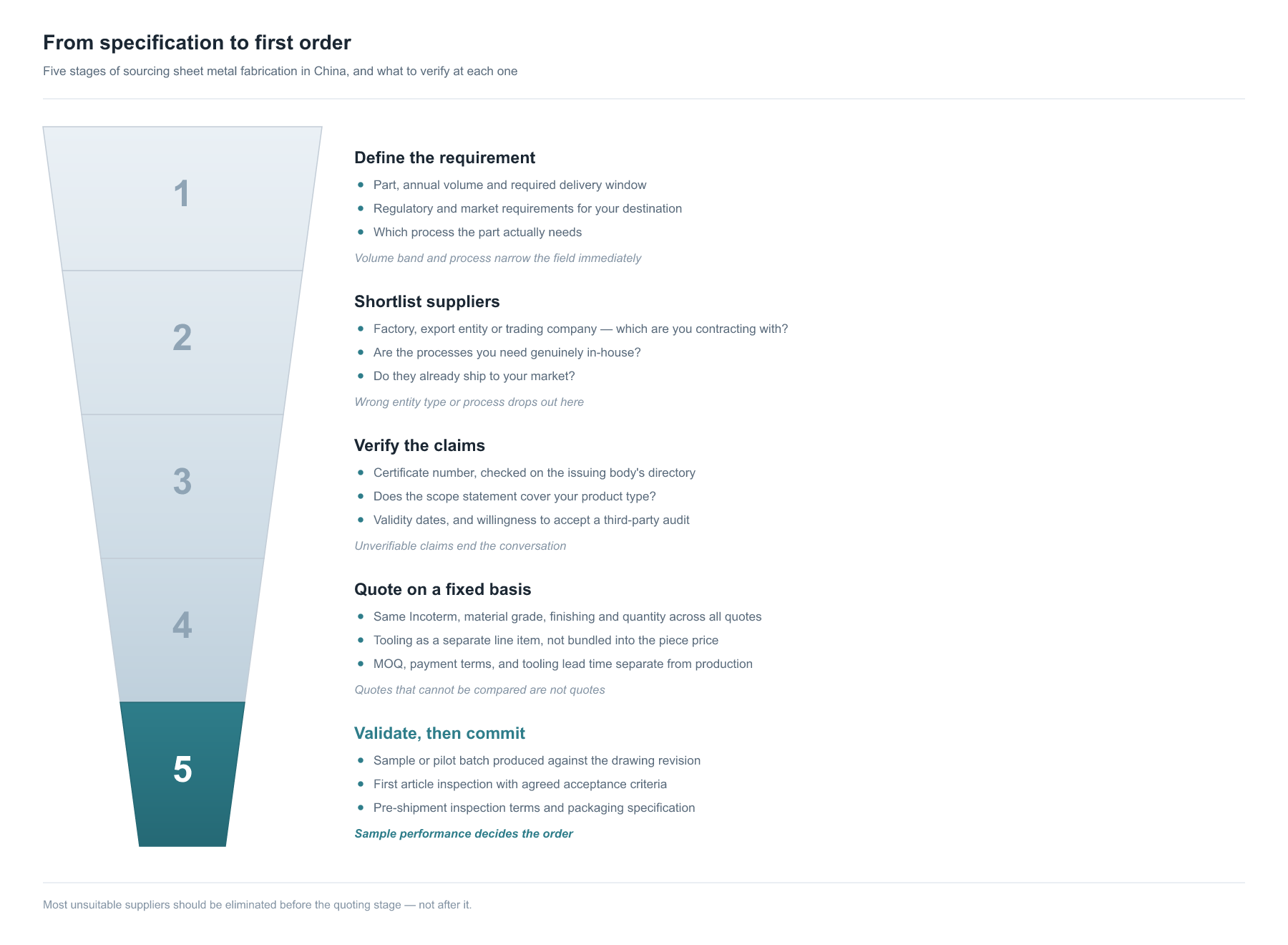
How to Choose a Stainless Steel Stamping Partner
The right stainless steel stamping services cut costs and shorten lead times. Look for these qualities in a partner.
- Experience with stainless grades and tooling
- ISO 9001:2015 certified quality systems
- Prototype and sampling support
- In-house finishing and surface treatment
- Clear, fast communication
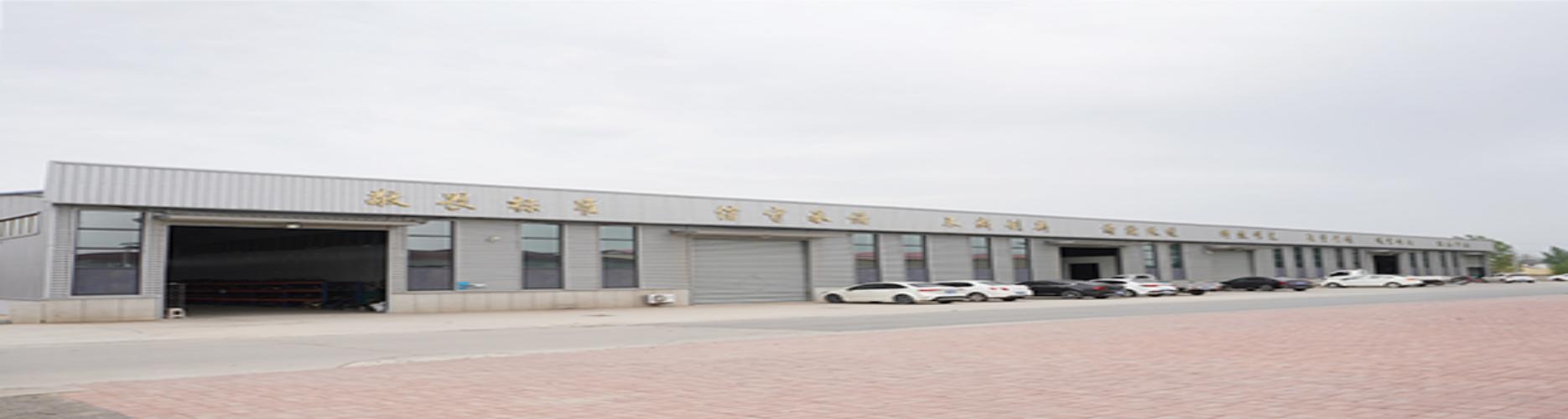
Our factory has stamped over 70,000 full-process projects of custom metal parts since 1999. Our press range covers 80 to 400 tons. We support projects from one prototype to full volume. Send us your drawing, and our engineers will review it.
Frequently Asked Questions
Is stainless steel hard to stamp?
Not with the right dies and press force. Common grades form well under controlled conditions.
What is the minimum order quantity?
MOQ depends on die cost and part size. Ask your supplier for a volume quote.
Can stamped stainless parts be finished?
Yes. Polishing, brushing, and passivation are common. Coatings protect and decorate the part.
How long does tooling take?
Simple dies may take two to four weeks. Complex progressive dies take longer.
Start Your Next Project Now
Need stainless steel stamping services for your next project? Start with your part drawing. Our engineers check it and reply within 8 hours. You get a full quote with tooling and unit costs—no hidden fees. No obligation.
Prefer to talk directly? Message us on WhatsApp. Prefer email? Send your files there. Either way, you get a free, custom quote.
Stainless Steel Laser Cutting Services: A Practical Guide
More Like This
-
-
-