

Metal Parts Packaging: How Export Packing Protects Orders
Metal parts packaging decides whether your order arrives the way QC released it. Quality is checked on the floor. It is confirmed again on your dock. The container is where the two meet. Our export company has packed metal orders for Europe and the Americas since 2022. The Nanpi factory behind us has produced since 1999. This guide lists the packing standards we apply. Then it shows the documents that prove the pack. Use it as a checklist you can send to any supplier. Our baseline assurance is in the packaging and shipping assurance post.
Why Metal Parts Damage in Transit
- Weight: sheet and stampings are dense; loose boxes shift.
- Sharp edges: bends and cut edges catch on everything.
- Vibration: a 20-day sea leg is a long shaking machine.
- Humidity: warm air in a cool container becomes condensation.
None of these is a fault of the factory floor. All four are solved in the pack. The damage you see at your dock was decided at ours. Metal parts packaging is the cheapest insurance your order will buy. That is why packing is a quality step, not a shipping step. One container of loose brackets can arrive thirty percent marked. The same brackets, racked and wrapped, arrive clean. The difference is the pack, not the voyage.
The Packing Layers, Inside Out
| Layer | Function | Standard material |
|---|---|---|
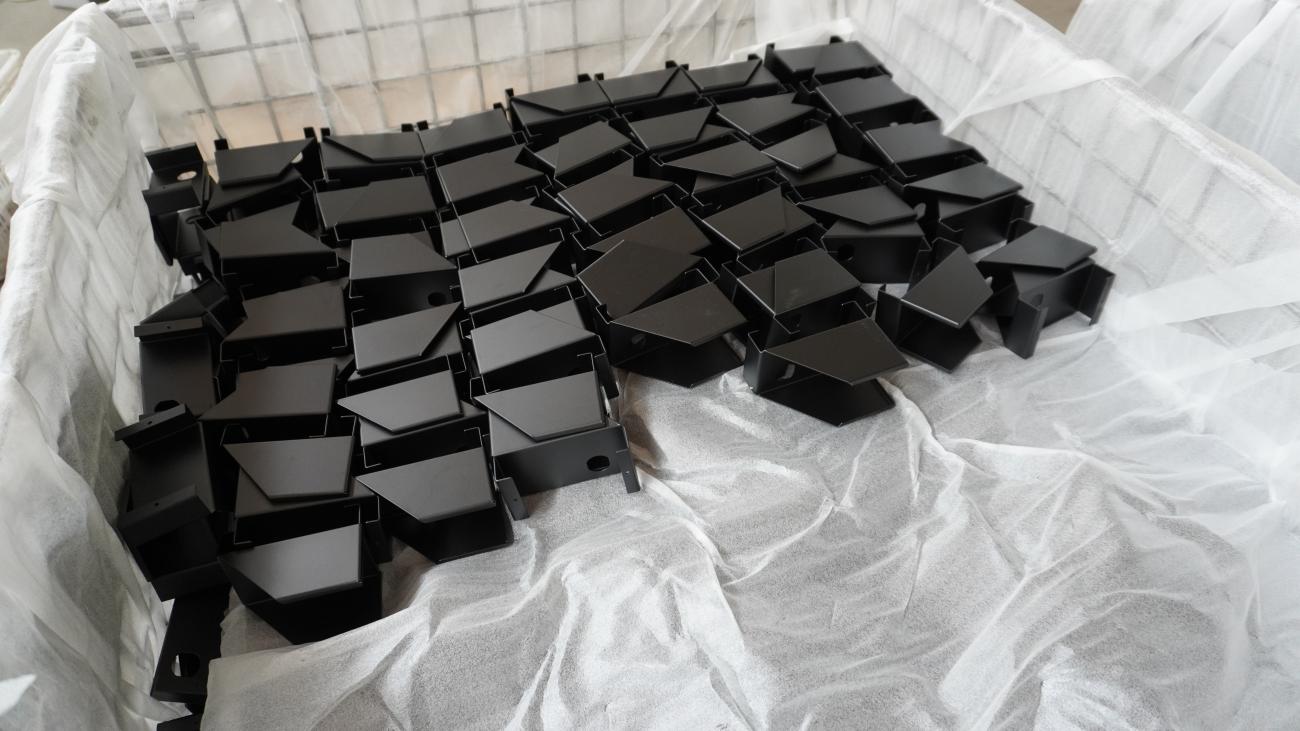
| Inner wrap | Barrier against rust and marks | VCI paper, poly bags, desiccant |
| Edge protection | Stops cut edges biting | Corner guards, foam separators |
| Racking | Holds stampings upright, ventilated | Steel racks, layered |
| Pallet | Forklift handling, stack stability | Wooden or plastic, heat-treated |
| Outer case | Weather and impact | Carton, plywood crate, straps |
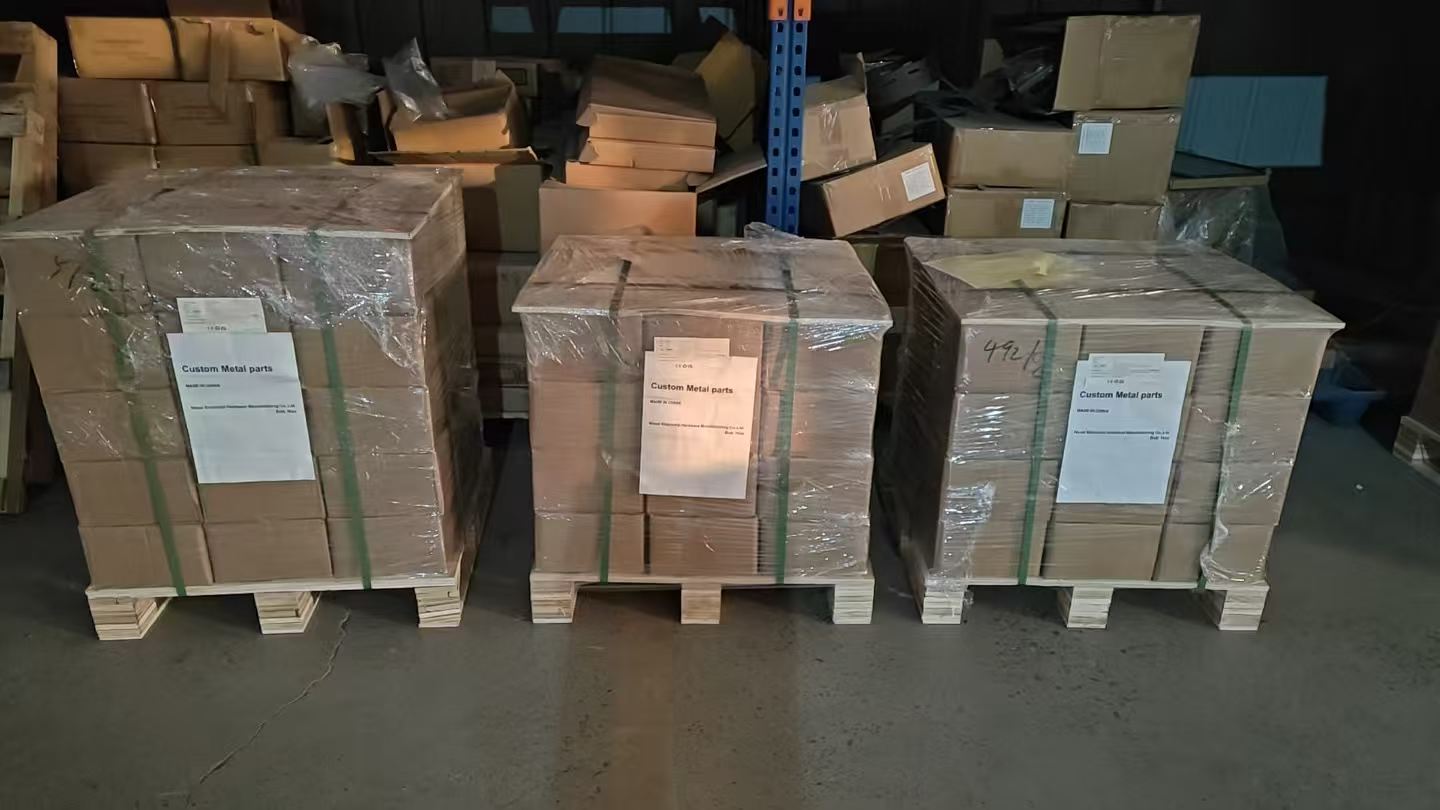
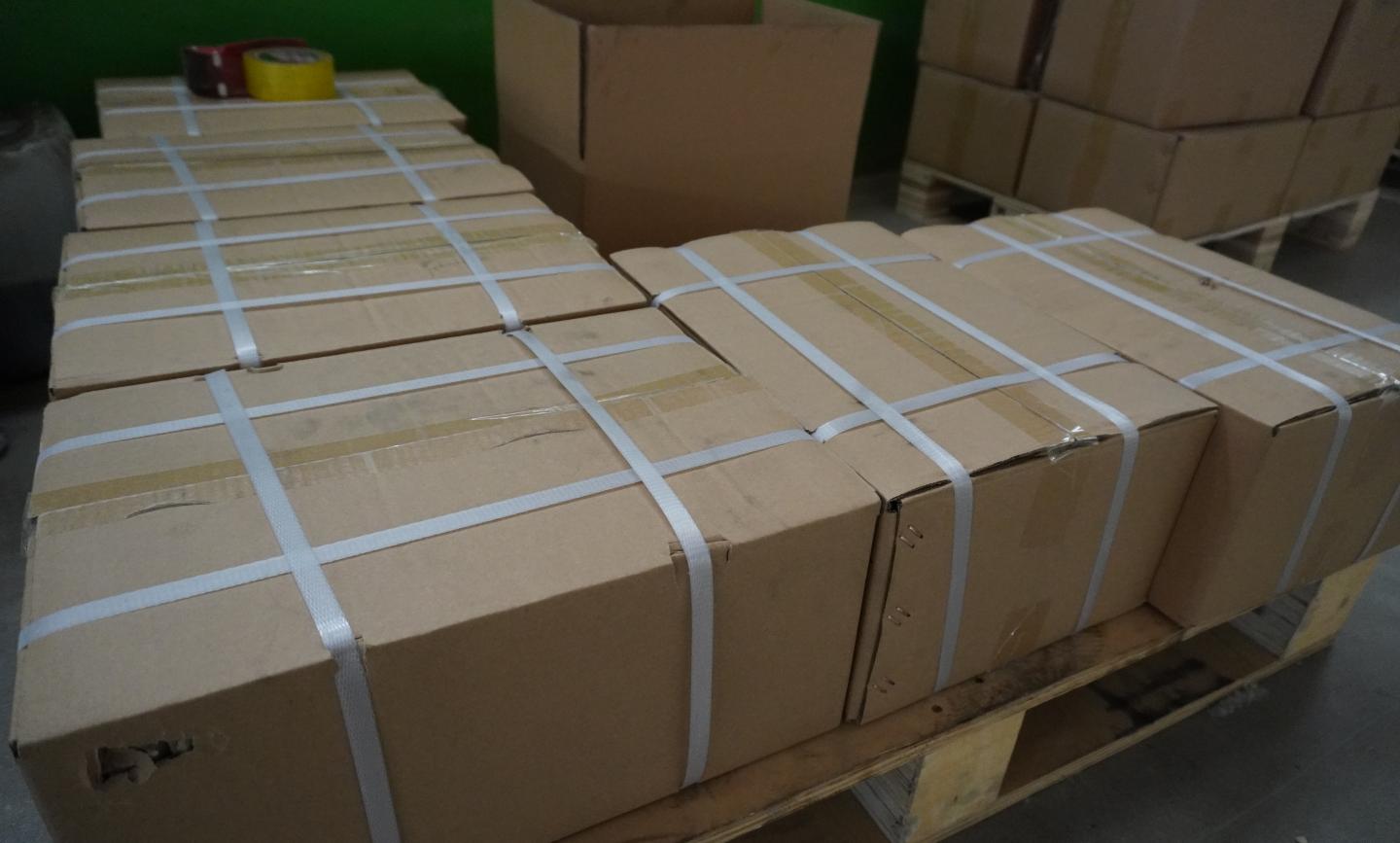
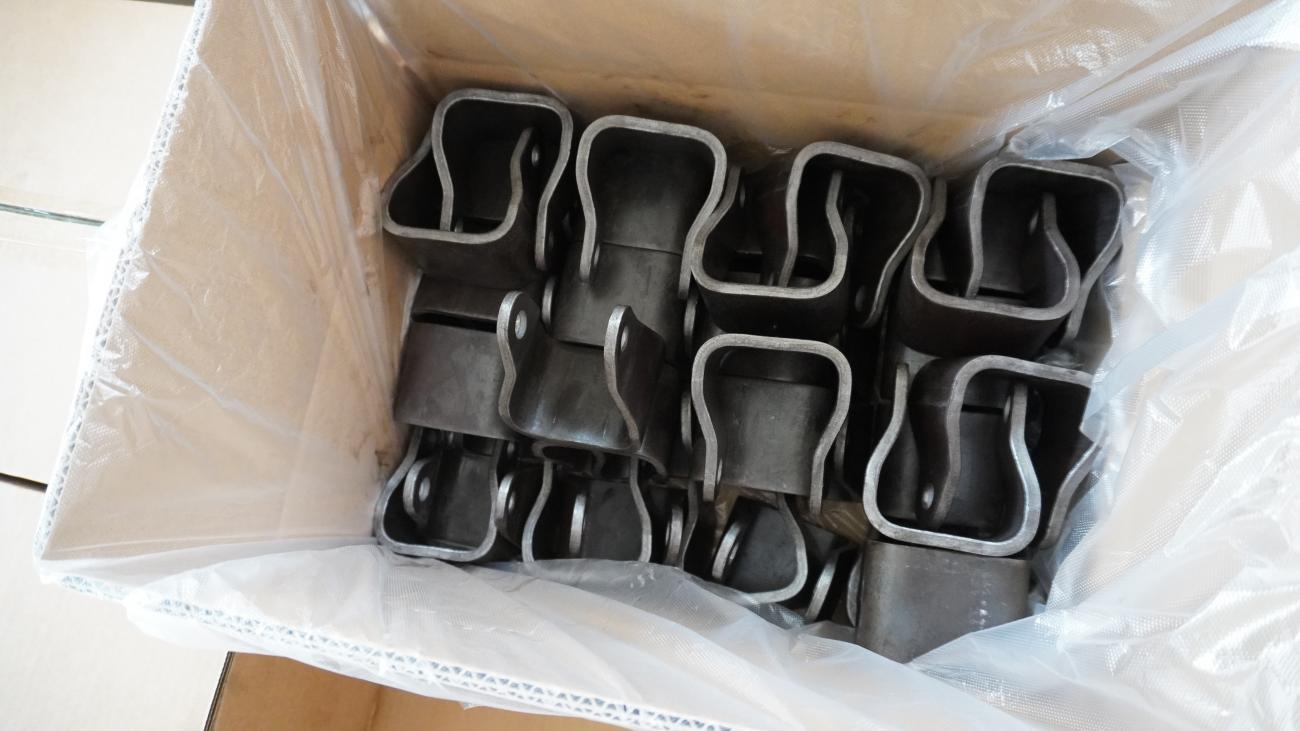
The layers match the part. A finished enclosure ships in a crate. A box of clips ships racked and strapped. We pick the build from the part’s weight, size and finish. Over-packing costs; under-packing costs more. The pack plan is agreed before the run starts, not at the port. Small decisions, stacked, are what metal parts packaging actually is. We photograph each packed unit before it moves. The photo carries the carton number. If a layer is missing at your dock, we know which box to open.
Protecting the Finish
Surface damage is the most common transit complaint we see. Cut edges are wrapped, even on parts with no finish. Racked layers never touch raw edge to raw edge. VCI paper carries through the whole container stay. The rule is simple: what is protected at QC is protected at the dock. Our answer on metal parts without scratches covers the production side of this same rule.
Container Loading
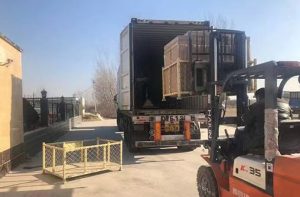
- Weight distribution: heavy at the floor, nothing on top of it.
- Dunnage and lashing: every rack braced, every pallet strapped.
- Stack height capped by the outer case, not by the container wall.
- Photo record: door view, each rack, each pallet, before the door closes.
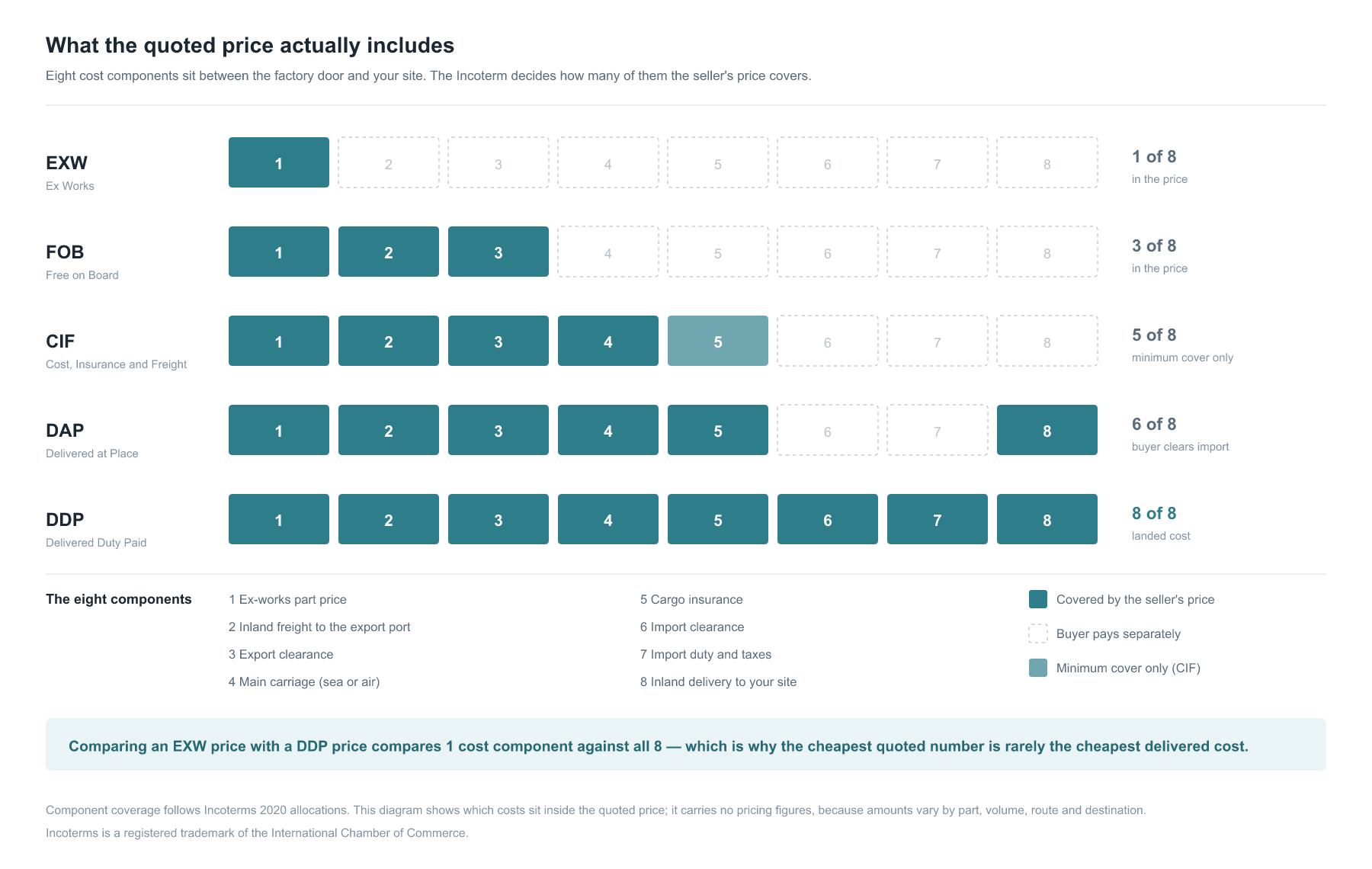
The photo set is the pack’s signature. It travels with the documents. If the container shifts at sea, the photos show what was loaded. That record is the difference between a claim and a fight. Loading standards follow the term you choose — see our shipping and Incoterms page.
Documents That Prove the Pack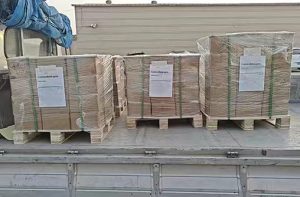
- Packing list: carton by carton, weight by weight.
- Photo report: the loading sequence, timestamped.
- Bill of lading: the goods on the vessel.
- Material certificates: the steel, from the mill.
Keep one file per order. It makes claims, audits and reorders painless. The full document set is listed in which shipping documents we provide. A buyer who keeps this file wins every dispute with evidence, not tone.
When the Pack Fails
It happens, to everyone, occasionally. The process matters more than the blame. Photograph the damage at your dock, before opening everything. Send it to us; we compare it against our loading photos. The contract states the remedy: replacement, repair or credit. Our claim process is in what if my parts arrive defective. A supplier with a documented process answers in days, not weeks.
How We Pack
Our packing plan is part of the quote, not an afterthought. It names the layers, the pallet count and the photo set. Cangzhou Xinjiuxinji Import And Export is ISO 9001:2015 certified. TüV Rheinland has verified our factory onsite. The pack standard is written in the same system that writes your quality plan. One standard, from die to dock. That is what metal parts packaging should be: documented, photographed, and agreed before it costs anyone.
Frequently Asked Questions
How do you pack stamped metal parts for export?
VCI wrap, edge guards, steel racks, strapped pallets, wooden or plastic base. The pack plan is agreed before production starts.
Do you use wooden pallets?
Yes, heat-treated to ISPM 15 where required, or plastic for repeat customers. The pallet type is named in the packing list.
What protects parts from rust in the container?
VCI paper and desiccant, sealed per layer. Humidity is the enemy; the wrap is the wall. The photo report shows it closed.
Who pays for packaging?
It is a line in the quote, agreed before you commit. Standard packs are priced in; special crates are itemized. No surprise at the invoice.
Can you pack for indoor delivery, ready to assemble?
Yes. Kits, labeled and nested, with the hardware bagged. The packing list matches the kit. Your floor unpacks in order.
Pack It Right, Once
Send your part list — we reply with a packing plan.
WhatsApp: +86 132 1225 5906 | Email: bob@xinjiuxinji.com
Or contact us online.
More Like This
-
-
-