

How to Make Metal Fabrication Materials Selection
Metal Fabrication Materials Selection can determine the success or failure of your project!
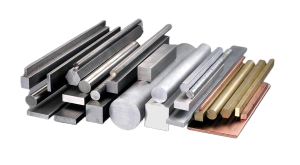
During the customization of metal parts, the selection of materials not only affects the performance, lifespan, and cost of the product, but also determines the feasibility of subsequent fabrication processes.
This article provides a comprehensive introduction to the most commonly used metal materials in the metal parts customization industry. It also offers a simple and practical method for material selection. If you are currently facing a material selection problem, please feel free to contact our engineers directly.
Introduction to Common Metal Materials
When customizing metal parts, the following materials are the most commonly chosen options, each with its own unique performance characteristics.
Carbon steel
High strength and low cost make it the preferred choice for structural components, brackets, chassis, etc. It is suitable for large-scale stamping and bending.
The drawback is that its corrosion resistance is average, and usually a surface coating is required for protection.
Stainless steel
It has excellent corrosion resistance and oxidation resistance, with a beautiful surface. It is commonly used in food equipment, medical devices, and ship parts.
304 and 316 are the most commonly used grades. Higher requirements are imposed on cutting tools and molds.
Aluminum alloy
Low density, excellent thermal and electrical conductivity, and naturally forms an oxide film. It is commonly used in electronic heat sinks, aviation components, and other applications.
It is easy to cut, bend, and stamp, but care must be taken to protect the gas during welding.
Copper and brass
It has excellent electrical and thermal conductivity, as well as antimicrobial properties. It is commonly used in electrical terminals, waterway joints, decorative parts, and other applications.
The fabrication process is relatively easy, but the material cost is relatively high.
Alloy steel and tool steel
After alloying or heat treatment, extremely high hardness, wear resistance, or red hardness can be achieved, making it suitable for heavy-load parts such as molds, tools, and gears.
✨All the above materials can be selected and recommended by our engineers. Please feel free to contact us for further information.
How to Choose the Right Materials for Your Parts
Choosing the right material requires careful consideration of the following factors:
- Operating environment: Is it humid, exposed to corrosive substances, at high temperature, or low temperature?
- Mechanical requirements: What level of strength, hardness, toughness, or fatigue resistance is needed?
- Process compatibility: Do the parts require stamping, bending, deep drawing, welding, or complex surface treatment?
- Cost and delivery time: What are the material procurement costs, mold lifespan, and fabrication speed?
- Surface treatment requirements: Is electroplating, spraying, anodizing, or polishing required?
Decision Example
Outdoor tables and chairs
- The environment is humid and exposed to rain → Requires corrosion resistance → Stainless steel 304 or 430.
- If cost-sensitive and will be painted later → Carbon steel + outdoor powder coating can be chosen.
Automobile fuel tank parts (deep drawing)
For good ductility and without cracking → Use low-carbon steel (such as DC04) or aluminum alloy (such as 5052) for deep drawing.
Stamping/Deep Drawing: r (plastic strain ratio) and n (hardening index) are key.
Global buyers trust us · 70,000+ full-process projects delivered. Want to see which parts we have actually delivered? Click here to download the case PDF.
Full Fabrication Service & Equipment Overview
- Stamping/Deep Drawing: 80-400 ton stamping machine*40
- Laser cutting: 6kW equipment*2
- Bent pipe/flexing:pipe bending machine*3+ hydraulic presse*4
- CNC processing:five-axis machining center*2+ vertical machining center*3
- Welding:automatic spot welding machine*1 + welding production line*3
- Auxiliary equipment:drilling machine*12, casting equipment*1,laser marking machine*4
- Surface treatment: production line*2
- Testing: CMM 2 group, spectrometer, roughness tester, hardness tester, complete set of basic measuring tools
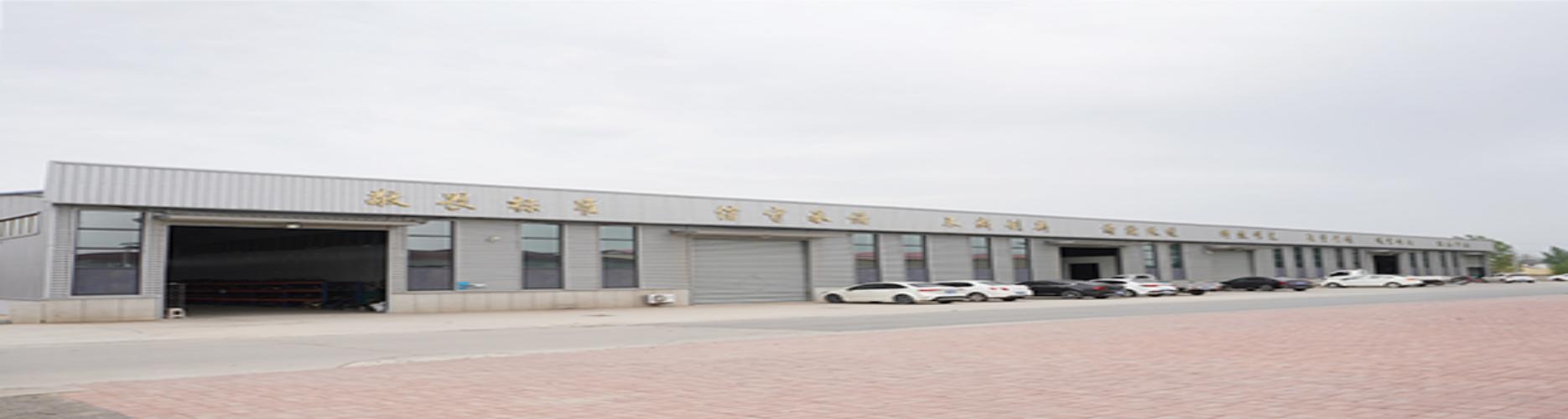
All fabrication processes are completed within the first factory, ensuring controllable quality, delivery time and cost. (Click to explore the real photos of our 9,000-square-meter factory)
Start Your Next Project!
Urgent Metal Fabrication Supplier? That’s Us — No Search Needed!
More Like This
-
-
-