

How to Buy Custom Sheet Metal Parts from China: A Step-by-Step Guide
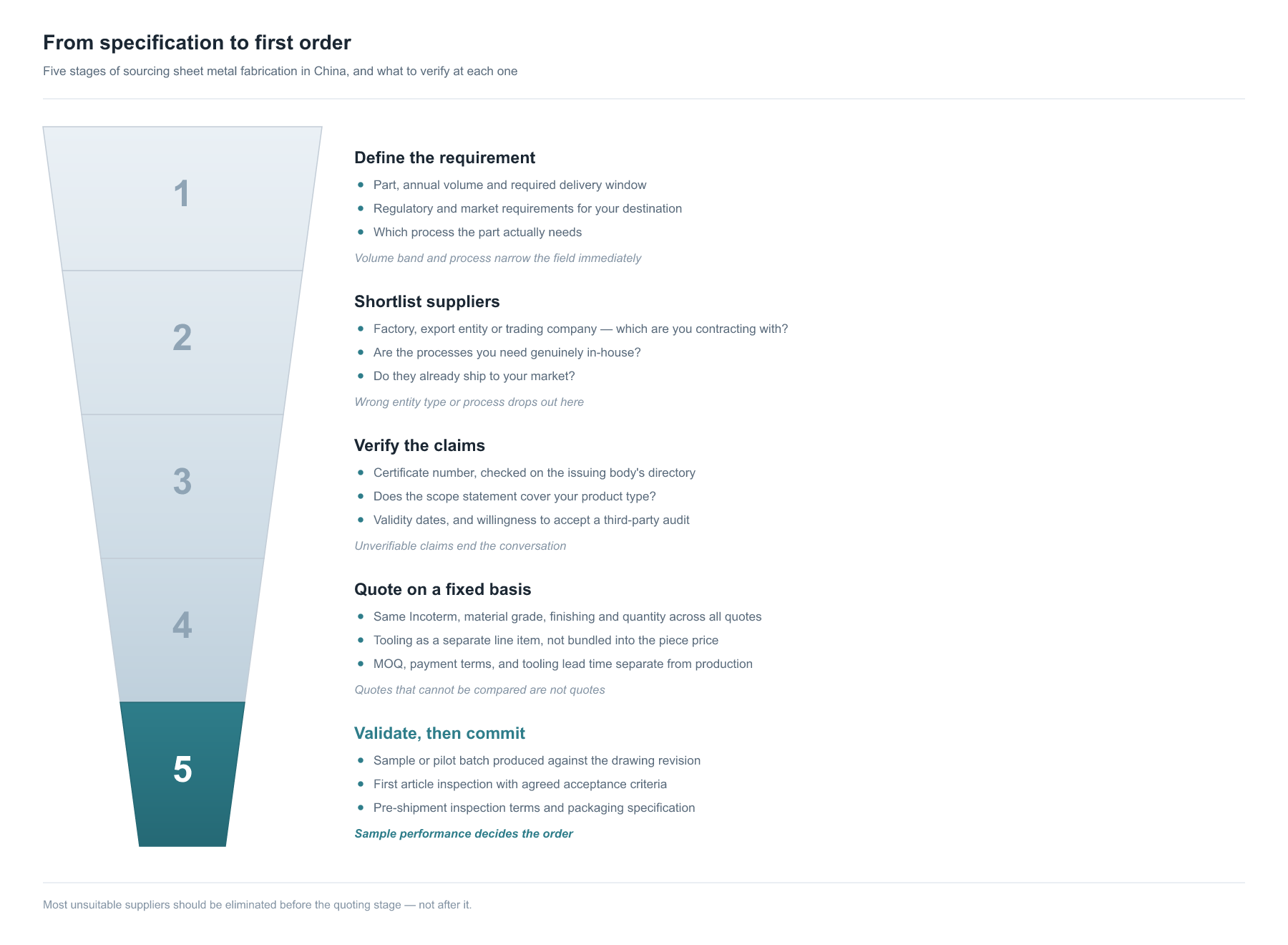
Buying custom sheet metal parts from China can cut part cost by a wide margin. It can also go wrong in predictable ways. The difference is process. This guide walks through the seven stages of a clean purchase.
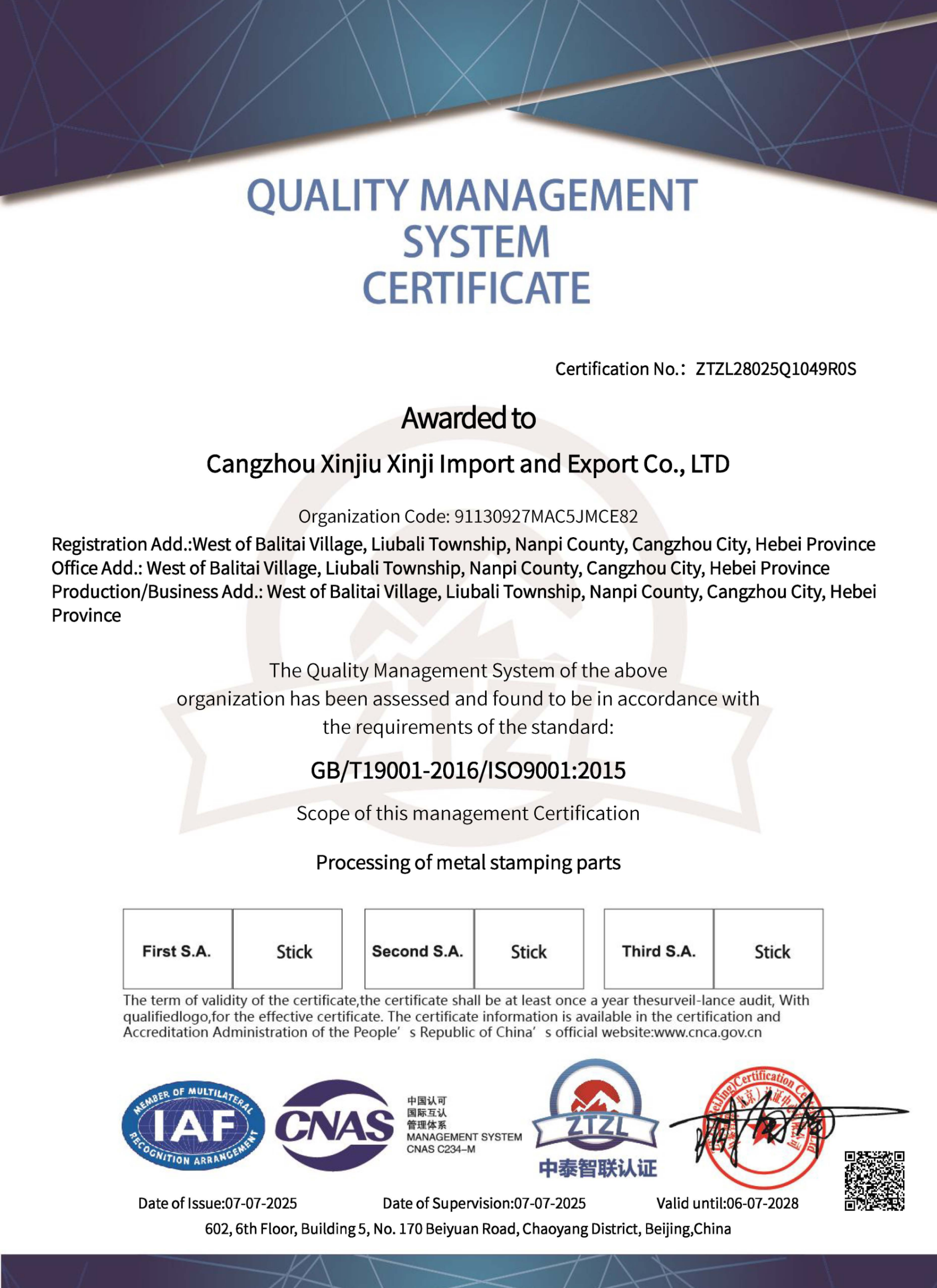
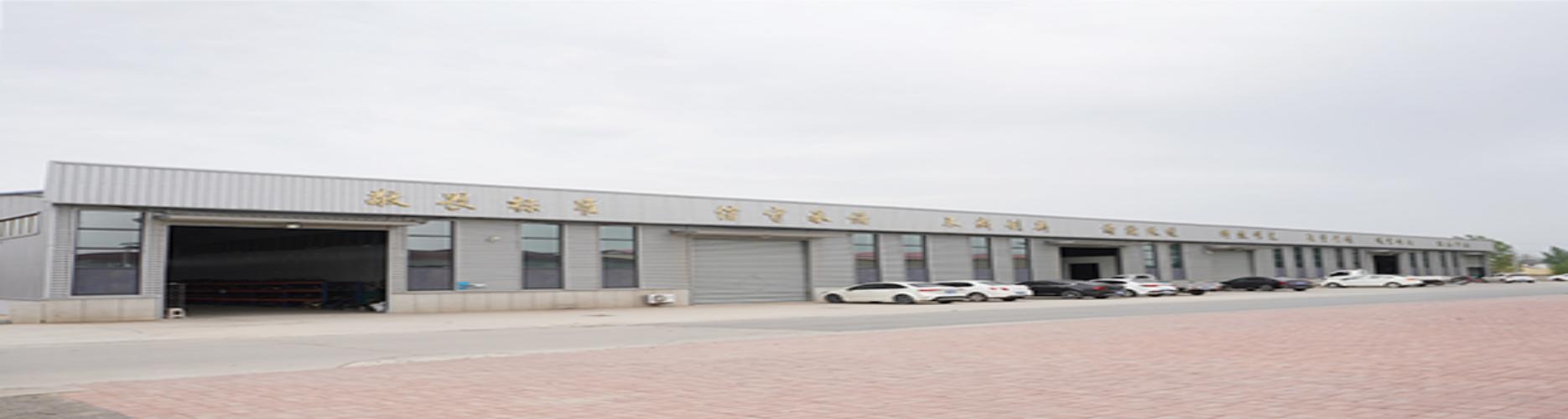
Xinjiuxinji serves overseas buyers directly from our Nanpi production base. The factory was built in 1999 and holds ISO 9001:2015 certification. We completed over 70,000 full-process projects since then.
Step 1. Define the Part Before You Contact Anyone
Start with your own requirements. Write them down before sending inquiries.
- Material and thickness.
- Surface finish and cosmetic standard.
- Annual volume and first-order quantity.
- Target delivery date.
Clear inputs speed everything up. Vague requests attract brokers instead of factories.
Step 2. Send a Complete RFQ
A good RFQ answers questions before they are asked.
- Attach 2D and 3D files.
- State tolerances that actually matter.
- Mention packaging and labeling needs.
- Ask for tooling cost separately from part cost.
We reply to standard RFQs within 8 hours on working days. Send one complete email to your China sheet metal supplier, not ten small ones.
Step 3. Review the DFM Feedback
A serious supplier reviews manufacturability before quoting. Expect comments on material, bend radii, hole placement and tolerance stack-up.
- DFM feedback should be free.
- Suggestions should reduce cost, not add features.
- Questions about your design are a good sign.
Our team includes 19 engineers. They review drawings before every quotation.
Step 4. Approve Samples
Samples verify material, finish and fit. Skipping them moves risk to mass production.
- Check dimensions against your drawing.
- Confirm finish under your lighting conditions.
- Approve in writing before tooling starts.
Sample fees depend on tooling and are quoted in advance.
Step 5. Confirm Tooling and Production Schedule
Tooling drives the timeline for stamped and drawn parts.
- Ask for the tooling schedule in the quotation.
- Confirm who owns and stores the tooling.
- Reserve production time against your delivery date.
Our production base runs 40 stamping presses from 80 to 400 tons. Two 6 kW laser cutters and five CNC machines support the lines.
Step 6. Control Quality with Documents
Quality needs evidence, not promises.
- First-off approval before mass production.
- In-process checks during the run.
- Final inspection with reports and photos.
- Material certificates on request.
Our quality system follows ISO 9001:2015. Inspection covers incoming material, first-off, in-process and final stages.
Step 7. Plan Shipping and Documents
Export shipping needs paperwork as much as packaging.
- Packing list, invoice and certificate of conformity.
- Protective packing for cosmetic surfaces.
- Sea, air or express freight by urgency.
97.9% of our shipments leave on time. Work with a China sheet metal supplier that tracks dates, not just promises.
Timeline Overview
| Stage | Typical Time |
|---|---|
| Quotation | Within 8 hours |
| Samples | Days for simple parts |
| Tooling | Two to six weeks |
| Production | One to eight weeks |
| Shipping | By chosen freight mode |
FAQ
Q: What information do I need before requesting a quote? A: Drawings, material, quantity, finish and tolerances. Add your target delivery date if timing matters.
Q: How do I avoid paying too much for tooling? A: Ask for tooling cost separately. Confirm ownership and storage. Compare tooling across suppliers, not just the part price.
Q: Do I need to visit the factory first? A: A video audit works as a first step. A visit is the strongest option. We welcome both.
Q: How long does a first order usually take? A: Most first orders run within one to eight weeks after sample approval. Tooling time is the main variable.
Start Your Next Project Now
Choose a China sheet metal supplier with evidence, not promises. Send your drawings today. Start with three easy steps.
How to start your project
- Send your 2D or 3D drawings with material and quantity.
- Receive a free quote within 8 hours on working days.
- Approve samples, then production runs with staged quality checks.
Further Verification & Compliance Resources
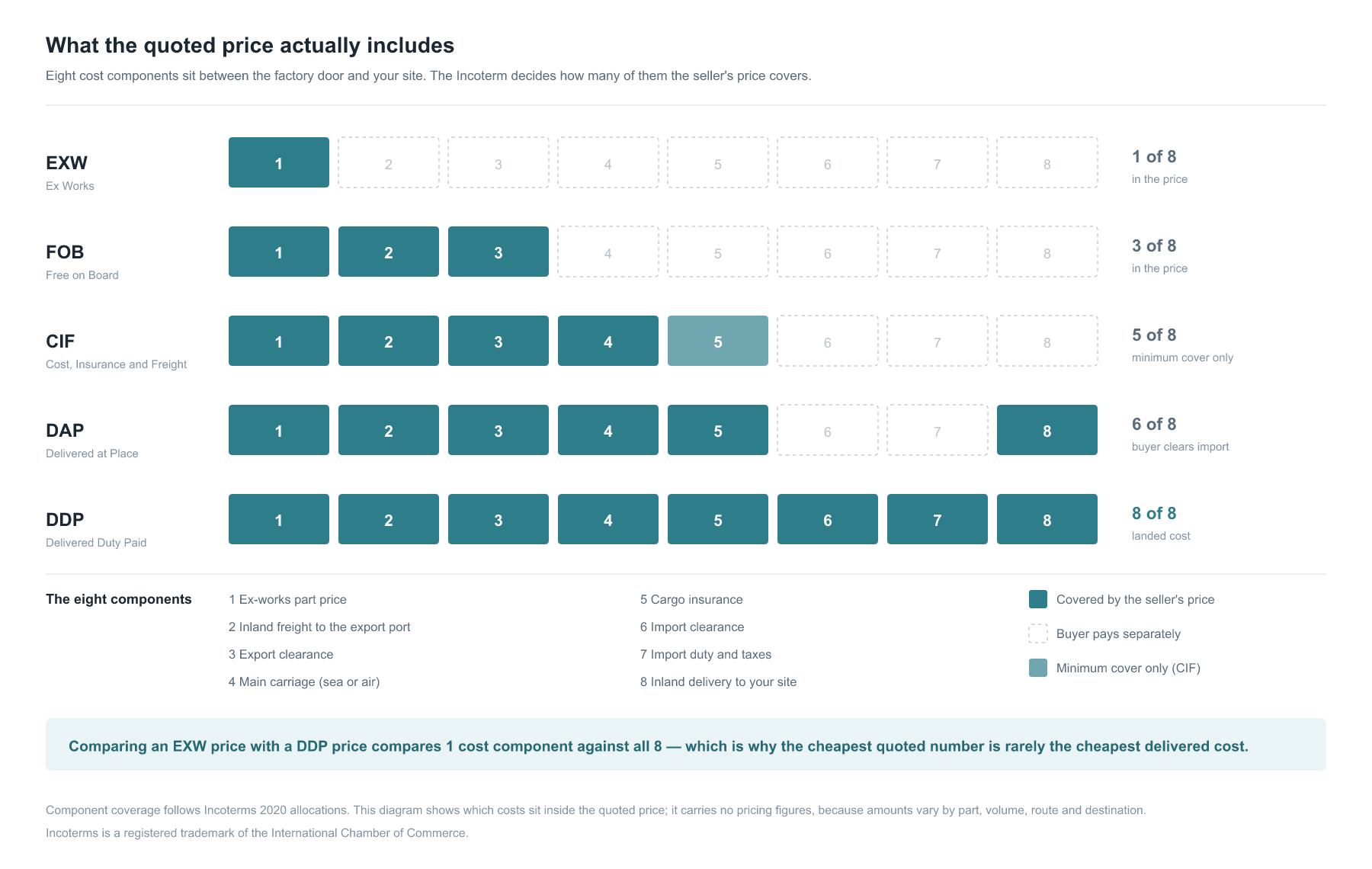
To accurately calculate landed costs, determine the exact classification code for your fabricated parts (consult our HTS classification for metal parts guide). Understanding tariff structures and Section 301 exclusions is critical for budgeting (see key factors in our duty rate breakdown for imported metal parts).
More Like This
-
-
-