

Stainless Steel Surface Treatment Services Explained
Stainless steel surface treatment services protect parts from corrosion, contamination, and premature failure. They also control how a part looks and feels.
This guide explains what these services do and how to choose the right one. It covers the science behind protection, common methods, and real project examples.
Why Stainless Steel Can Still Corrode
Stainless steel resists rust through a thin chromium oxide layer. This invisible film forms naturally and heals itself when scratched. Fabrication, however, can break this protection.
Cutting, welding, and grinding generate heat and sparks. They can leave heat tint, scale, or embedded iron particles. Oily residues and shop dust also settle on the surface. Every contaminant becomes a starting point for corrosion. Surface treatment removes these defects and restores the protective layer.
Heat tint is especially common after welding. The discolored zone loses its corrosion resistance. Untreated, it can rust within months in humid environments. Treatment brings the surface back to a passive state.
Grade alone does not guarantee rust-free service. A 316 part can still stain if the surface is damaged. Protection depends as much on surface condition as on chemistry.
What Surface Treatment Actually Changes
Surface treatment delivers five measurable benefits.
- Corrosion resistance. It removes iron contamination and restores the passive film.
- Cleanability. Smoother surfaces release bacteria, food, and chemicals easily.
- Appearance. Brushed, matte, or mirror finishes match brand and product needs.
- Coating adhesion. Clean surfaces help paint or powder coating bond strongly.
- Surface consistency. Uniform texture reduces rejects and improves assembly fit.
Many buyers focus only on appearance. Function matters more. Corrosion protection and cleanability decide service life. Treat the finish as a performance specification, not a cosmetic detail.
Choose the finish before production starts. It affects tooling, handling, and cost. Early decisions also avoid rework later.
Common Surface Treatment Services at a Glance
| Service | What It Does | Best For |
|---|---|---|
| Pickling and passivation | Removes scale and iron; restores the chromium oxide film | Welded assemblies, marine and food equipment |
| Electropolishing | Removes a thin surface layer; lowers roughness; brightens | Medical devices, pharmaceutical and food contact parts |
| Mechanical polishing | Grinds and refines the surface to satin or mirror finish | Architecture, kitchenware, decorative parts |
| Sandblasting | Creates a uniform matte texture with abrasive media | Pre-coating preparation, industrial parts |
| Powder coating | Applies a durable colored layer cured in an oven | Outdoor enclosures, equipment housings |
This is not a complete list. Your supplier may combine two or more methods. For example, sandblasting often precedes powder coating. Passivation may follow welding or machining.
How Treatment Works on Different Grades
Grade choice changes how a part responds to treatment.
- 304 stainless steel is the most common grade. Passivation works well on it. It suits most indoor and light outdoor use.
- 316 stainless steel adds molybdenum for chloride resistance. It is the standard choice for marine and chemical environments. Post-weld treatment matters most here.
- 430 stainless steel is magnetic and less corrosion-resistant. It is usually finished for appearance, not protection. Polishing and powder coating are common choices.
Mention your grade when requesting a quote. The treatment parameters differ from grade to grade. A good supplier will confirm the right process.
Matching a Treatment to Your Application
- Medical or food contact: electropolishing. It removes burrs and makes surfaces easy to sterilize.
- Marine, chemical, or outdoor: passivation on 316. It restores corrosion resistance after welding.
- Architecture or consumer goods: brushing or mirror polishing. Appearance drives the choice.
- Industrial housings needing color: sandblasting plus powder coating. The coating adds color and durability.
- Welded assemblies: pickling and passivation after welding. This removes heat tint and scale.
Describe your use environment in the inquiry. Indoor, coastal, and chemical settings need different treatments. The right match prevents field failures.
Treatment cost and lead time vary by method. Passivation is fast and low cost. Electropolishing needs more process control. Powder coating adds an oven cycle. Request a quote to compare options for your part.
Every part is different. Our stainless steel surface treatment services team will confirm the right finish for your environment.
Common Mistakes to Avoid
- Skipping treatment after welding. Heat tint and scale invite early rust.
- Using carbon steel tools. They leave embedded iron that stains the surface.
- Polishing without final cleaning. Abrasive residue can hide under a bright finish.
- Testing appearance only. A good look does not guarantee corrosion resistance.
- Choosing the grade without considering the environment. Grade and treatment work together.
Most of these issues appear only after months of use. Field failures cost far more than proper treatment.
How to Prepare a Surface Treatment Inquiry
A clear inquiry saves time and avoids wrong quotes.
- State the material grade and current condition. Welded, machined, or raw stock changes the process.
- Describe the target finish. Use standard names like brushed, matte, or mirror.
- Share the use environment. Indoor, coastal, or chemical settings matter.
- Mention volume and lead time. Both affect scheduling and cost.
- Ask for a sample before mass production. Samples confirm color and texture.
How We Deliver Consistent Surface Quality
Surface treatment is often the last step before shipping. Small mistakes here can ruin earlier work. Our controlled process protects every batch.
- Incoming checks confirm material grade and condition.
- We record process parameters for each treatment.
- We inspect finished parts for roughness, color, and defects.
- Salt spray and sterilization tests run when required.
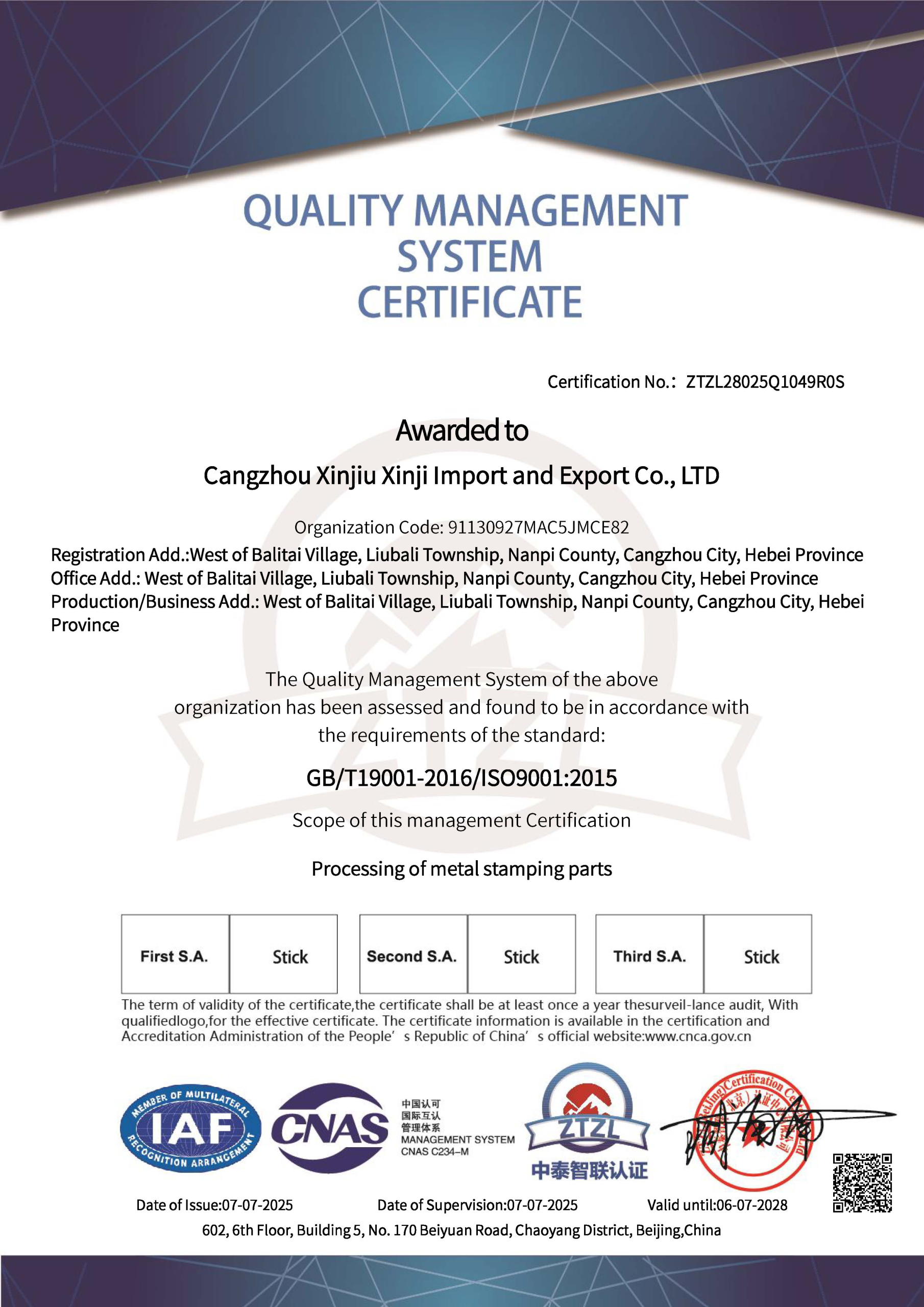
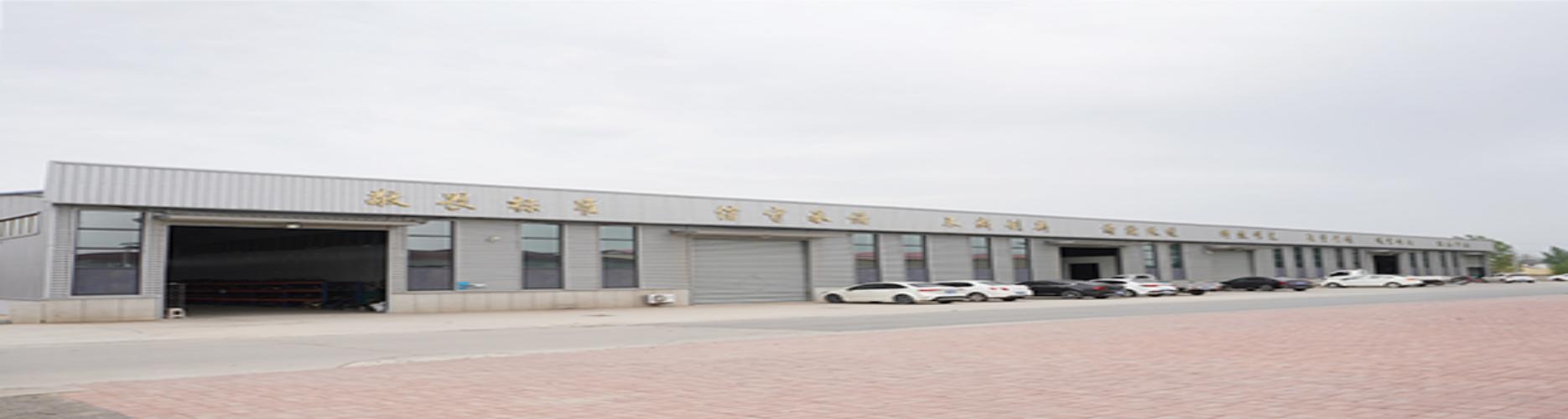
We are an ISO 9001:2015 certified factory in Hebei, China. Our 120+ person team includes 19 engineers. We have produced over 70,000 different types of custom metal parts. We serve customers across the US, Europe, and Australia. Samples confirm color and texture.
Get a Quote for Stainless Steel Surface Treatment Services
Tell us about your part and its use environment. Our engineers will recommend the right treatment and finish grade. You get a clear quote, not a generic price list.
- Send your drawings with material grade and target finish.
- Our team reviews the part and confirms the best treatment.
- Receive options, lead time, and a firm quote within 8 hours.
Quotes are free and carry no obligation. If a simpler finish saves cost, we will say so. Honest advice builds long-term partnerships.
Stainless Steel Casting Services: A Practical Buyer’s Guide
More Like This
-
-
-