

304/316/430: Ultimate Material Guide for Stainless Steel Parts Fabrication
The most crucial step in stainless steel parts fabrication – choosing the right material grade. Stainless steel is not “one type of material”, but rather a large family consisting of dozens of grades.
This article provides a detailed explanation of the three most commonly used stainless steel grades: 304, 316, and 430. Through real cases, it will tell you: Just how costly the mistake in material selection is.
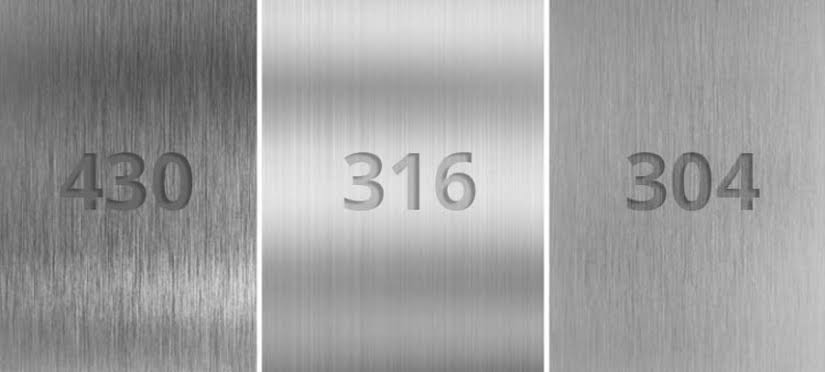
Comparison of 304/316/430
304 Stainless Steel – The most widely used
304 is the most widely used type of stainless steel, accounting for more than half of the global production. It has an austenitic structure and contains 18%-20% chromium and 8%-10.5% nickel.
- Performance: Excellent corrosion resistance, good formability and weldability, non-magnetic.
- Applications: Kitchen equipment, food processing, storage tanks, architectural decoration, and general atmospheric environment.
- Limitations: Insufficient resistance to pitting corrosion in chlorine-containing environments (coastal areas, de-icing salt).
316 Stainless Steel – The Champion of Corrosion Resistance
316 is a product that adds 2%-3% molybdenum to 304, resulting in a qualitative improvement in corrosion resistance.
- Performance:Exhibits extremely strong resistance to pitting corrosion and crevice corrosion caused by chloride ions.
- Applications:Marine environment, chemical equipment, medical devices, high-humidity environments containing chlorine.
When your parts are exposed to saltwater, chemicals, a marine atmosphere, or high-humidity, chlorine-containing environments, 316 is a safer and more reliable choice.
430 Stainless Steel – The Economical Choice
430 is a ferritic stainless steel, containing 16%-18% chromium and basically no nickel.
- Performance: Low cost, magnetic, corrosion resistance lower than 304/316, but performs well in mild environments.
- Applications: Dishwasher liners, home appliance panels, automotive decorative parts, and indoor low-corrosion environments.
- Limitations: Poor formability and weldability compared to 304. Caution is required for complex Stamping or Deep drawing processes.
A table shows how to make a choice:
| Comparison Dimension | 304 | 316 | 430 |
|---|---|---|---|
| Stainless Steel Type | Austenitic | Austenitic | Ferritic |
| Molybdenum Content | No | 2%–3% | No |
| Corrosion Resistance | Excellent | Superior | Moderate |
| Chloride Pitting Resistance | Fair | Excellent | Poor |
| Formability | Excellent | Excellent | Fair |
| Weldability | Excellent | Excellent | Fair |
| Magnetic | No | No | Yes |
| Cost | Moderate | Higher | Low |
Quick material selection suggestions:
– Indoor dry environment with limited budget → 430
– General atmospheric/water environment → 304
– Chlorine-containing/sea/chemical environment → 316
Real Case
The southeast asia coastal lighting project – from potential claims to zero-fault delivery
Project background
An outdoor lighting company plans to custom-produce large quantities of stainless steel lamp housings for a coastal landscape project in Southeast Asia. The region has high humidity and a high salt content. Considering the cost, the client initially chose 304.
Where is the problem?
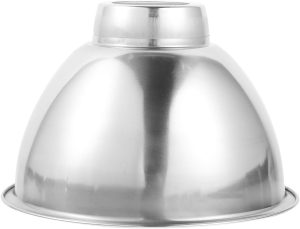 After receiving the drawings, the engineer immediately evaluated the usage environment. He pointed out that in the high-chloride-ion-concentration environment along the Southeast Asian coast, the corrosion resistance of 304 is far from sufficient for long-term outdoor exposure.
Based on engineering experience, it was determined that if the lamp housing were made of 304 material, extensive pitting corrosion would occur within 6 to 9 months after installation.
To convince the client with facts, we voluntarily provided two sets of 304 and 316 samples at no cost. We suggested that the client place them at the actual installation site for simulated exposure tests.
The test results were clear: The 304 sample showed obvious rusting, while the 316 sample remained intact. The client completely abandoned 304 and switched to 316 stainless steel in full quantity.
Potential consequences
If the problem had not been identified during the DFM stage, and instead the product was directly mass-produced according to the customer’s initial requirements using 304 material:
– Batch scrapping: 5000 lamp shells started to rust gradually within half a year after being put into use, and all of them faced the need for scrapping and replacement.
– On-site replacement cost: The labor, equipment, and coordination costs for replacing in high-altitude and water-adjacent areas far exceeded the value of the parts themselves.
– Legal and reputation risks: Large-scale quality complaints trigger claim clauses, damaging the customer’s brand reputation.
Outcome
With the support of our professional advice and the complete manufacturing capabilities: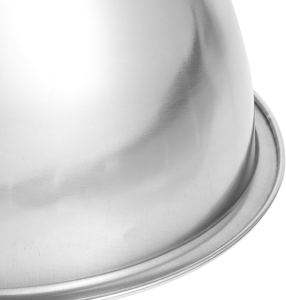
Process optimization offsets material upgrade costs: The Stamping process of the lamp housing has been re-optimized, avoiding additional mold modification costs due to material upgrade, directly saving the customer approximately 15% of mold adjustment costs.
Internal surface treatment line shortens delivery time: Using the own surface treatment production line for acid washing and passivation eliminates the logistics and management costs of outsourcing processing, and the overall delivery time is shortened by 7 days.
Zero complaints for three years: Since the 316 lamp housings were put into use over three years ago, there has not been a single quality complaint related to corrosion.
A correct material recommendation combined with a complete end-to-end Fabrication capability. What this saves for the client is far more than just the material price difference – it ensures the long-term success of the entire project.
————————————————————————————
Even if the right material grade is selected, improper process control during the fabrication of Stainless steel parts can still cause local corrosion.
Therefore, what you need is not just a processing factory. Instead, it is a partner that can independently complete the entire process chain from incoming material inspection, forming, and welding to surface treatment and final product inspection.
————————————————————————————
Right Choices Made by Professionals for You
Our advantages:
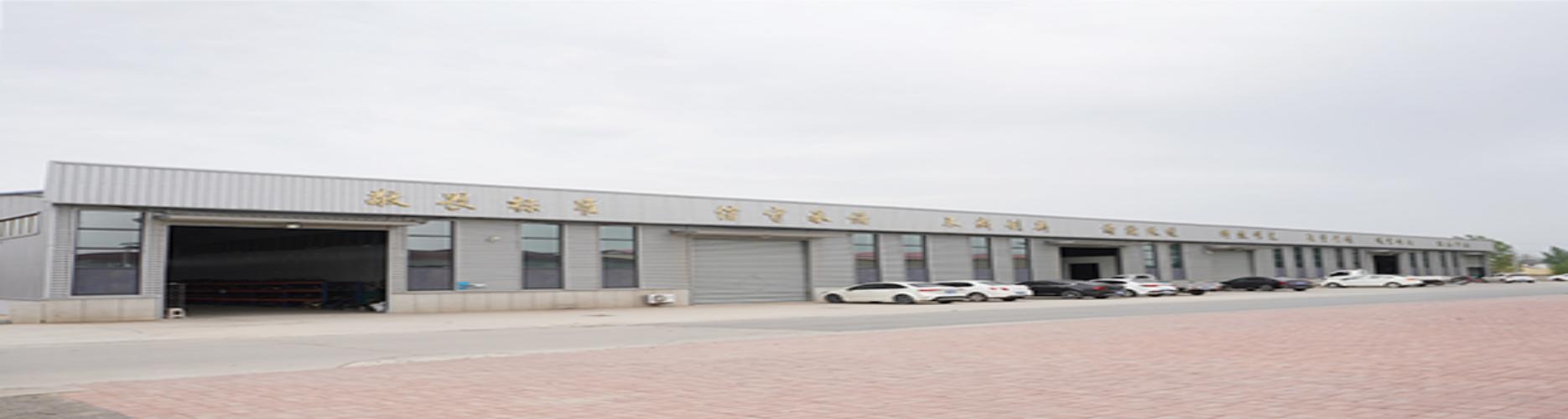
- 26 years of professional experience: Established in 1999, with a 9,000+㎡ site, ISO 9001:2015 certification, and a monthly production capacity of over 500,000 pieces
- Senior engineering team: Provides one-stop free optimization services from drawings, materials, processes, to surface treatment
- Global verification: Serving buyers worldwide with 70,000+ full-process projects completed
- Full manufacturing chain capability: Comprehensive coverage of Stamping, Deep drawing, Sheet Metal Fabrication, CNC processing, and surface treatment (click to learn more about the processes)
- Full cycle service: In-depth pre-sale demand research, strict control of progress and delivery during sales, and rapid response for after-sales issues
- Zero-risk launch: Free samples, dedicated sample line, and small batch production line – test the effect first, then discuss cooperation
Start Your Next Project
For your next Stainless steel parts fabrication project, it’s worth starting with a professional conversation. Still unsure about 304, 316, or 430? Not sure which grade is needed for your application environment?
Click the button on the right to contact us immediately and send us the drawings or requirements.
One Quote, Zero Guesswork: Transparent Sheet Metal Fabrication Quotes Start Here
More Like This
-

-
-